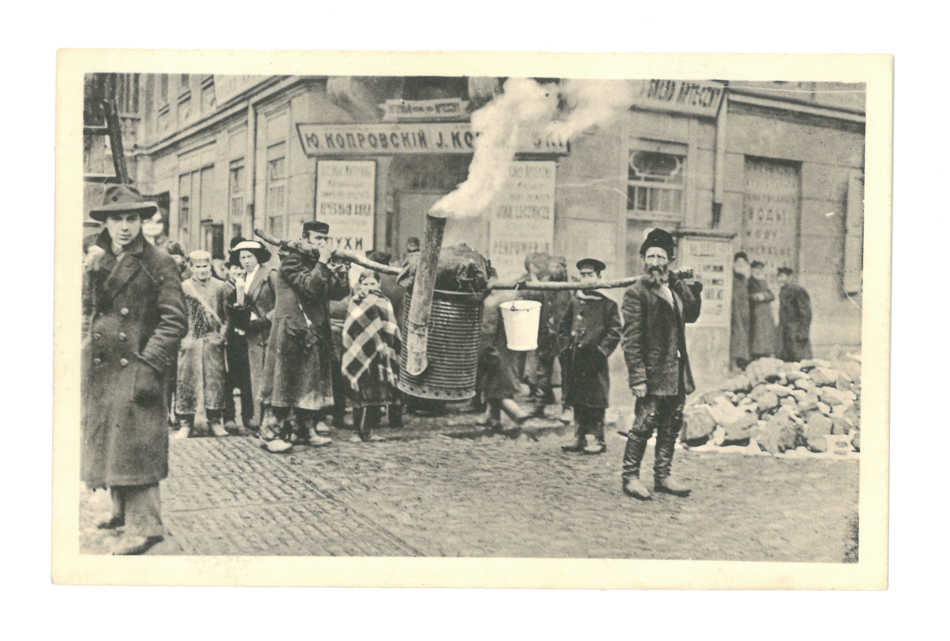
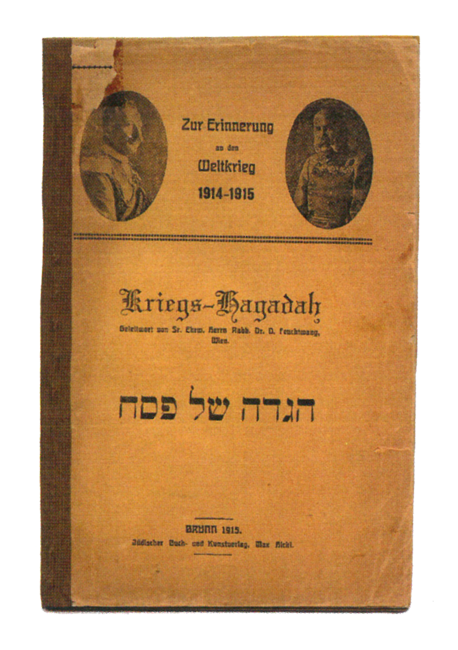
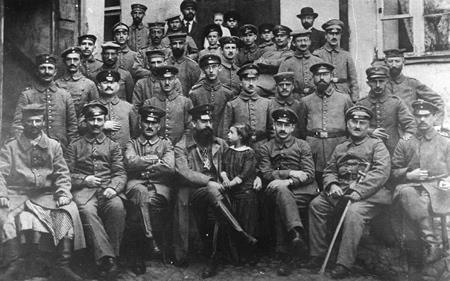
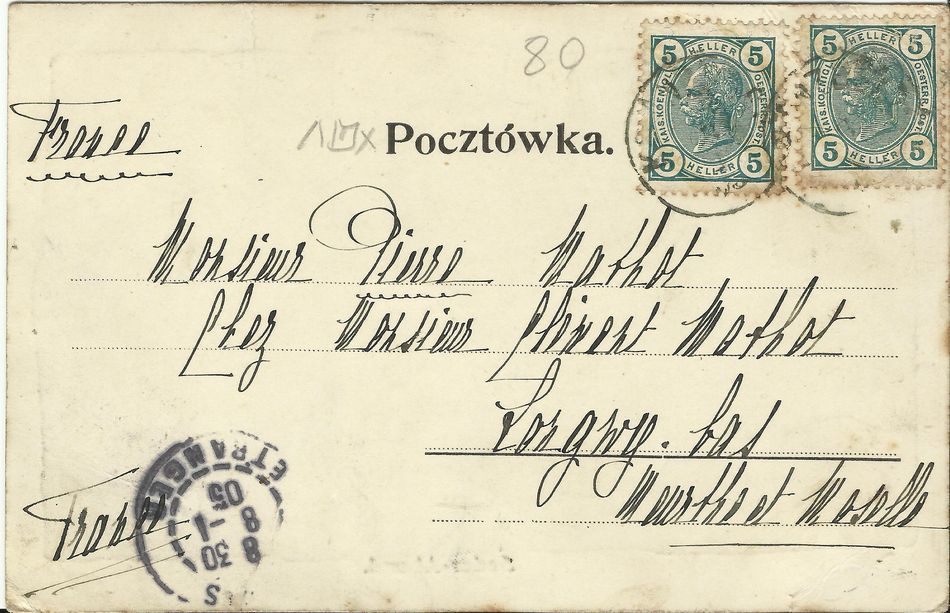
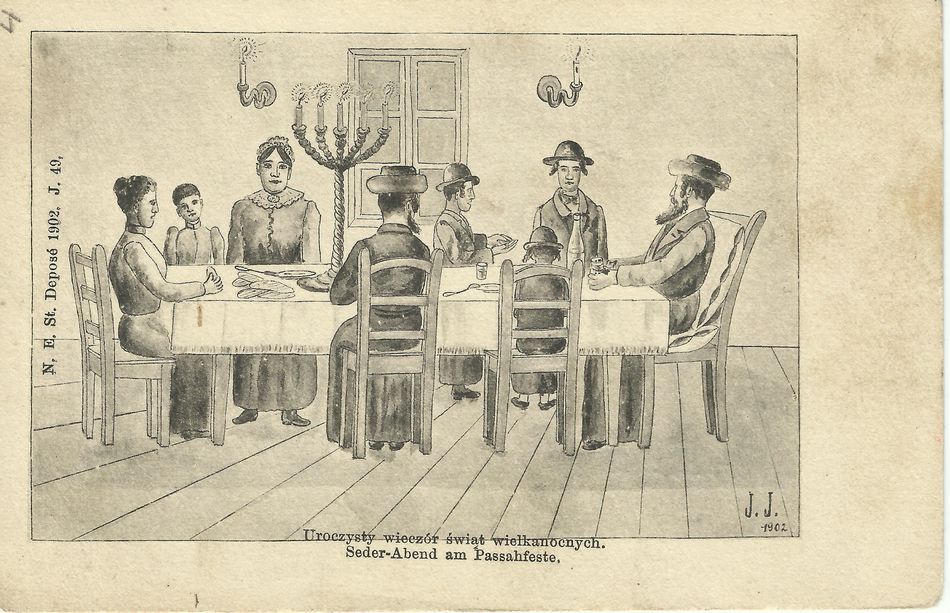
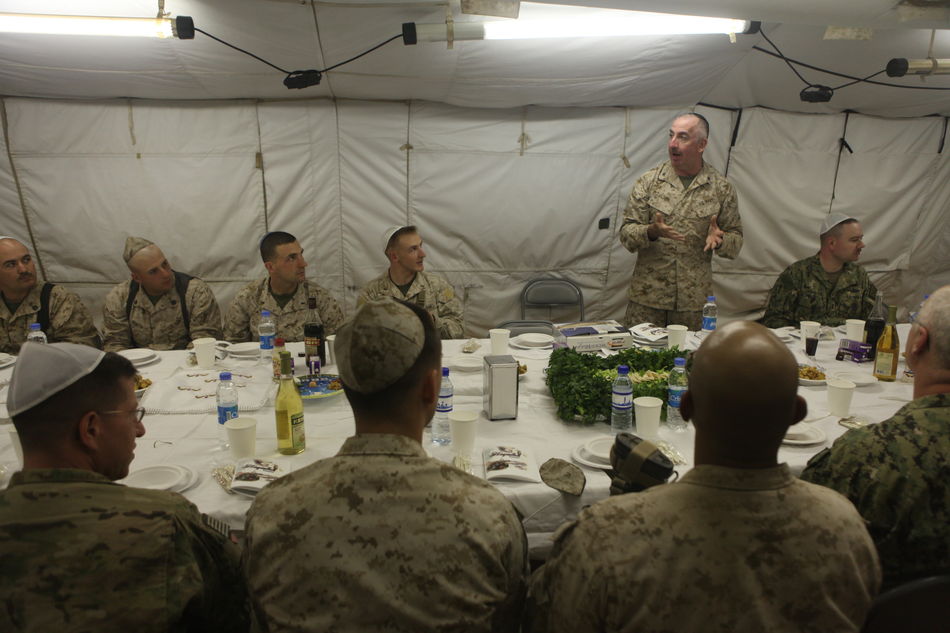
War does not stop for religious festivals or rituals to take place yet religious festivals and practices continue to be observed throughout periods of conflict.
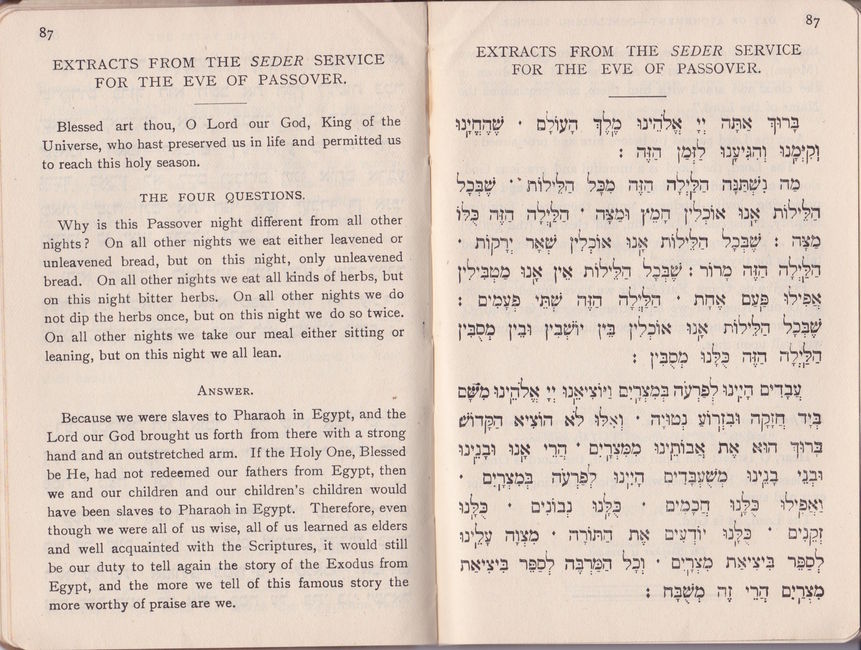
Pesach, or Passover as it is more commonly known in the non-Jewish world, is an important Jewish festival of remembrance, reflection and coming together. During the First World War, world Jewry observed Pesach four times – in 1915, 1916, 1917 and 1918.
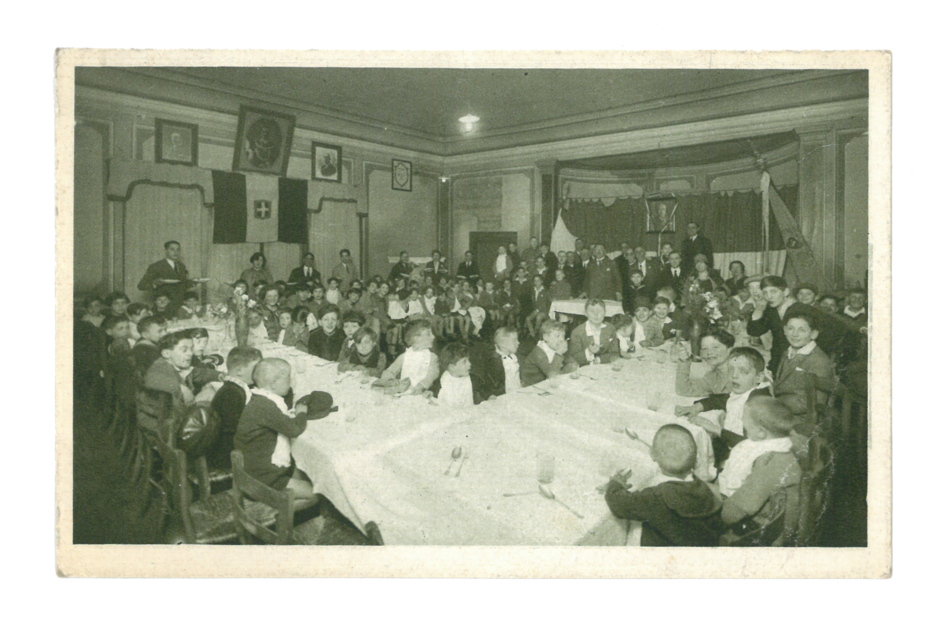
On the Home Fronts, families gathered together to celebrate Seder nights without loved ones who were serving in the forces or who would now never return. Pesach, the celebration of freedom from slavery and the exodus from Egypt, must have caused them mixed emotions – Jews caught up in conflict once again with serious concern for their future.
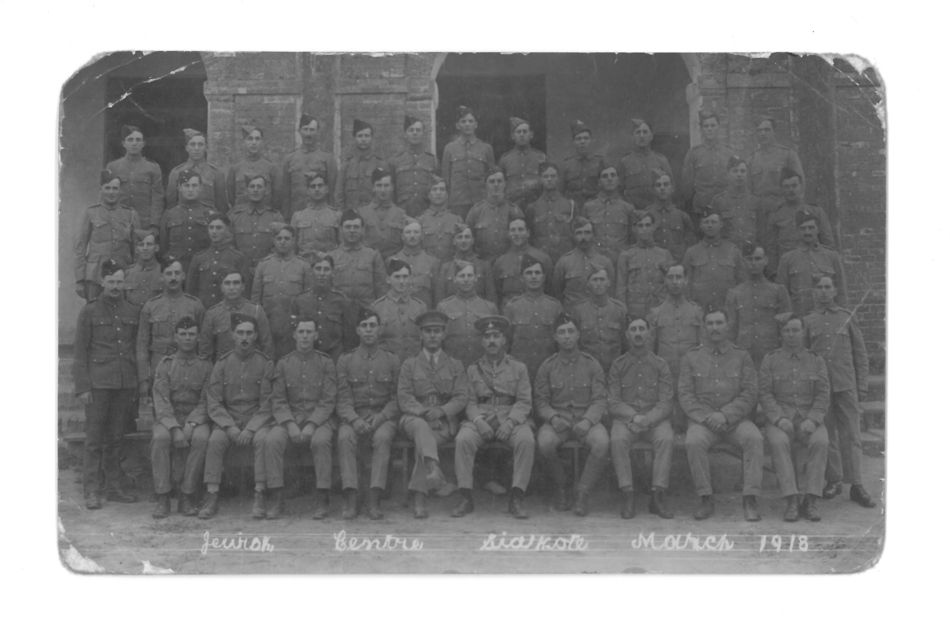
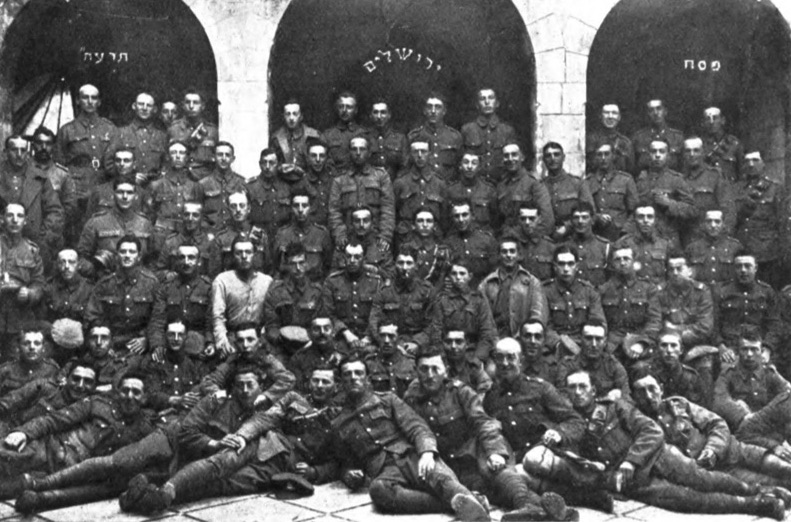
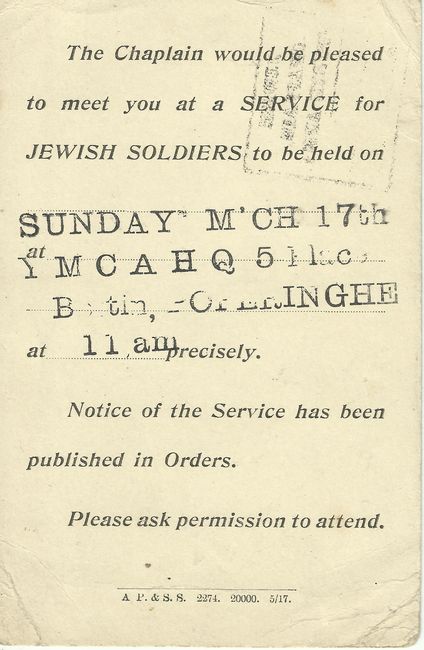
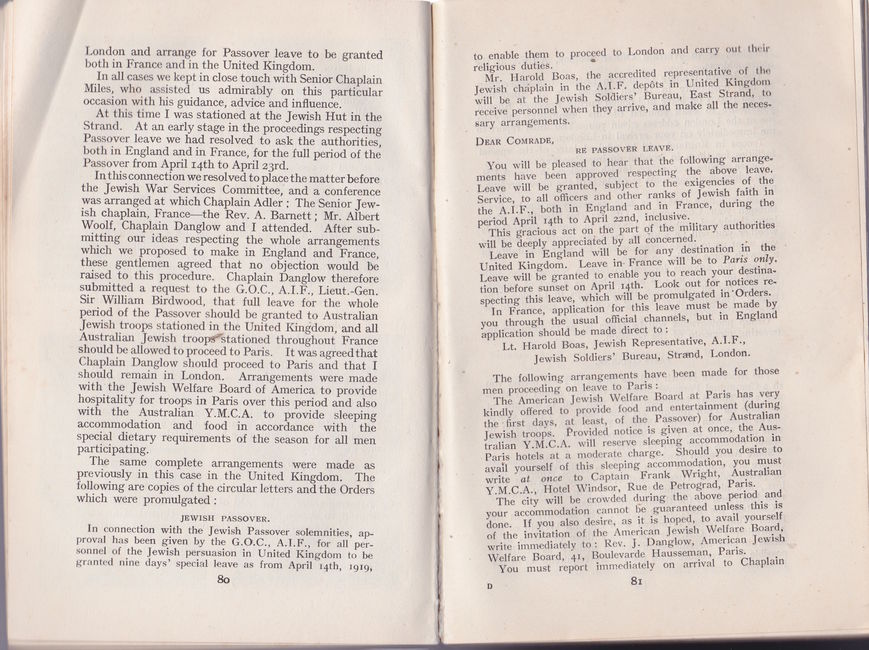
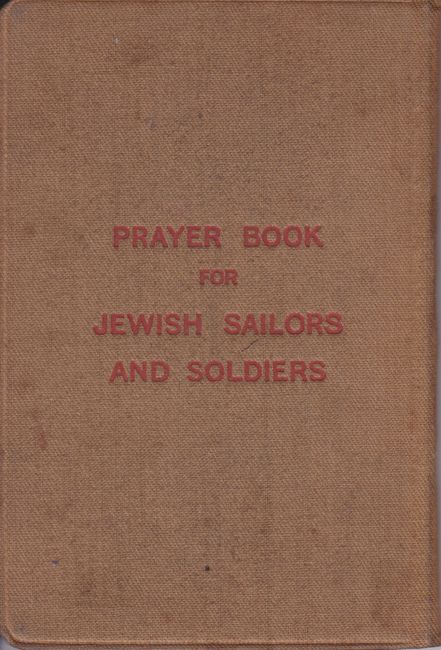
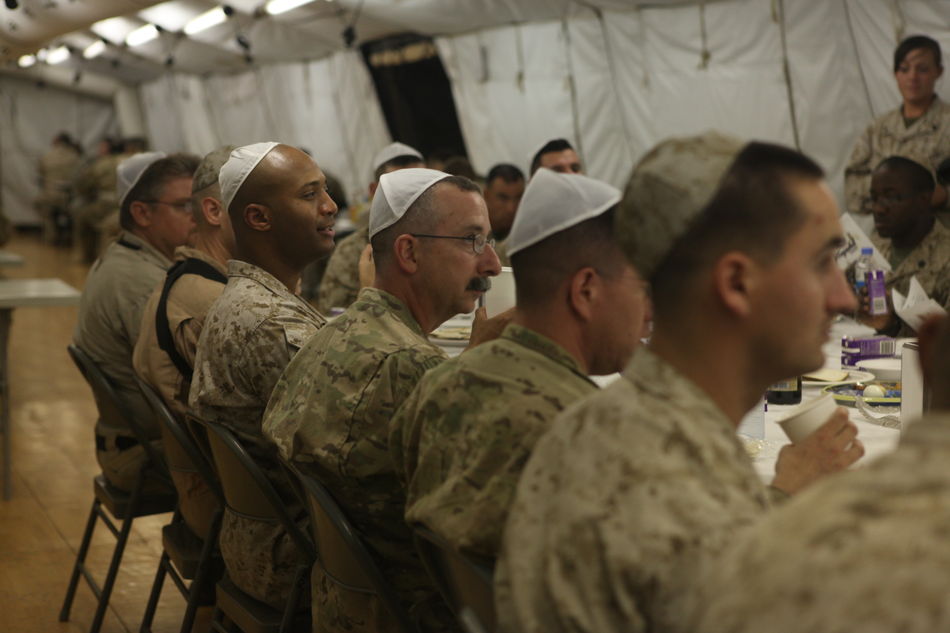
For those serving in the forces, celebrating Pesach meant trying to come together with a new family created from fellow Jewish servicemen and women living far from home. While the military chaplaincy of Christian Reverends had existed long before the First World War, as the number of Jewish volunteers rose, so did the need to minister to their religious needs. Rabbis were recruited to become an integral part of the Military Chaplaincy and served alongside their Christian counterparts throughout the war. From just one Jewish Chaplain in 1909, the number grew to over 20 by the end of the war. Click here to learn more about British Jewish Chaplaincy in the First World War.
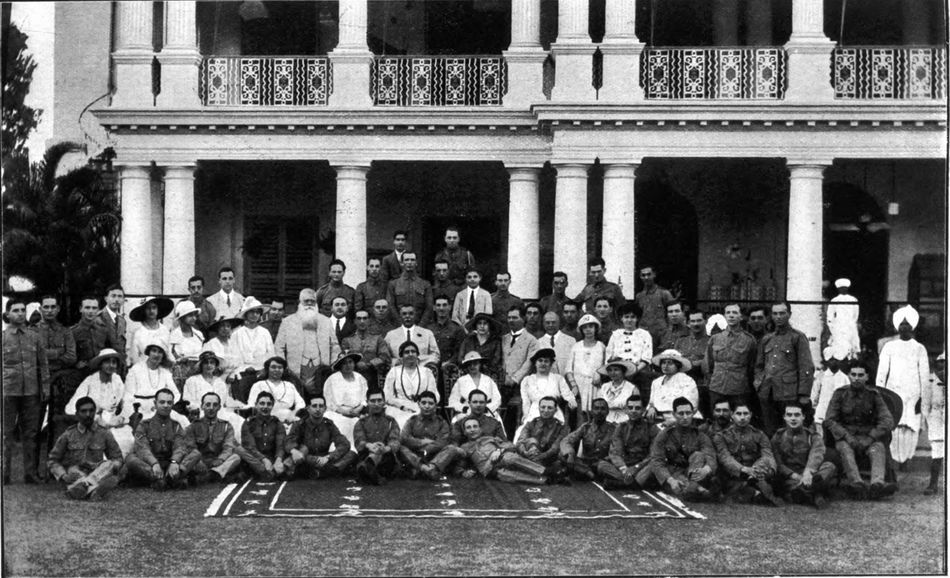
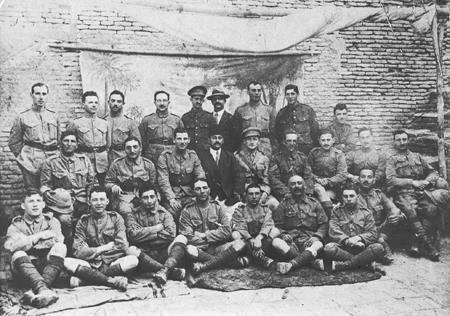
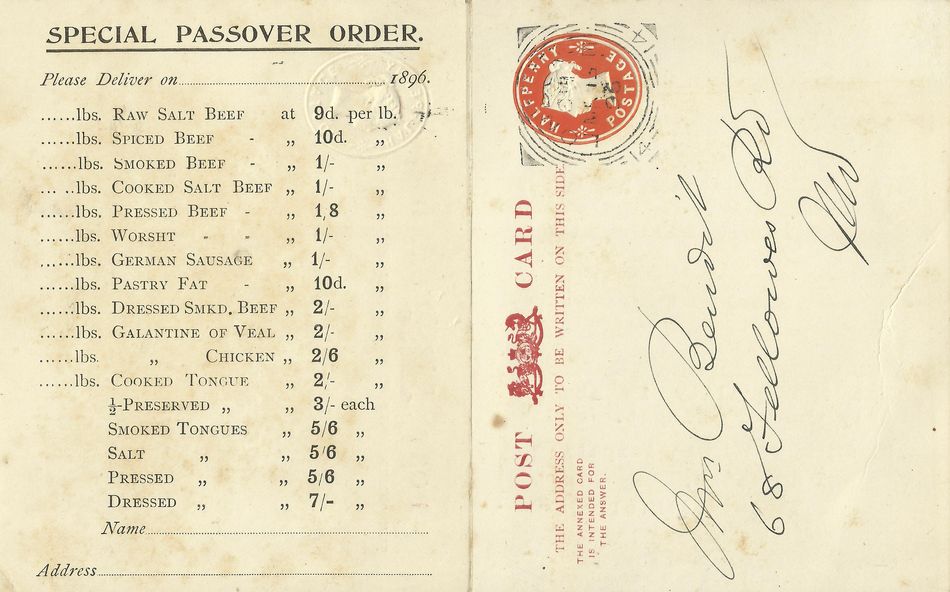
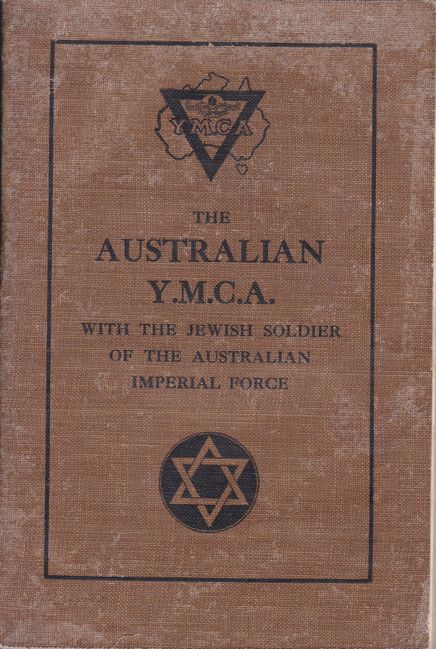
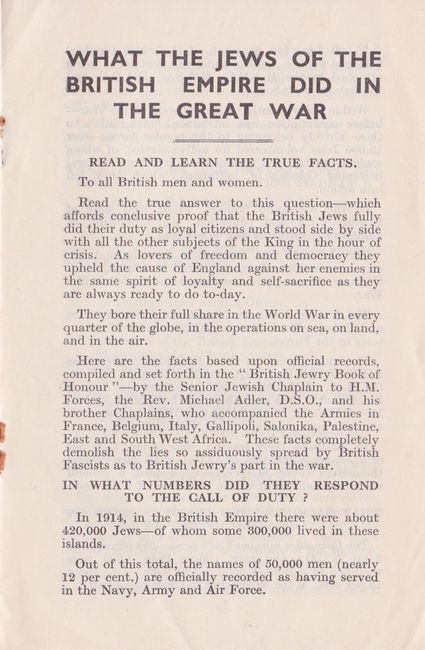
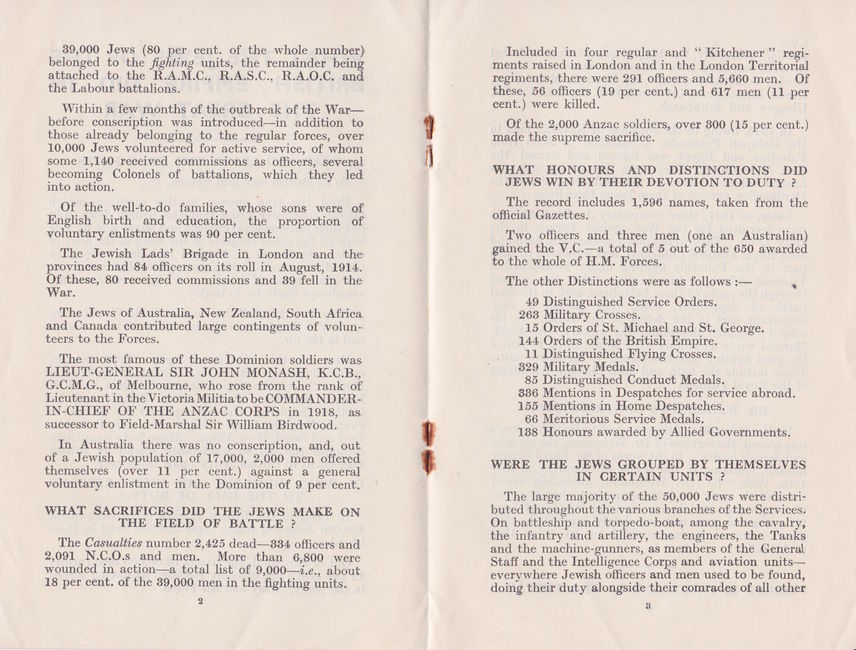
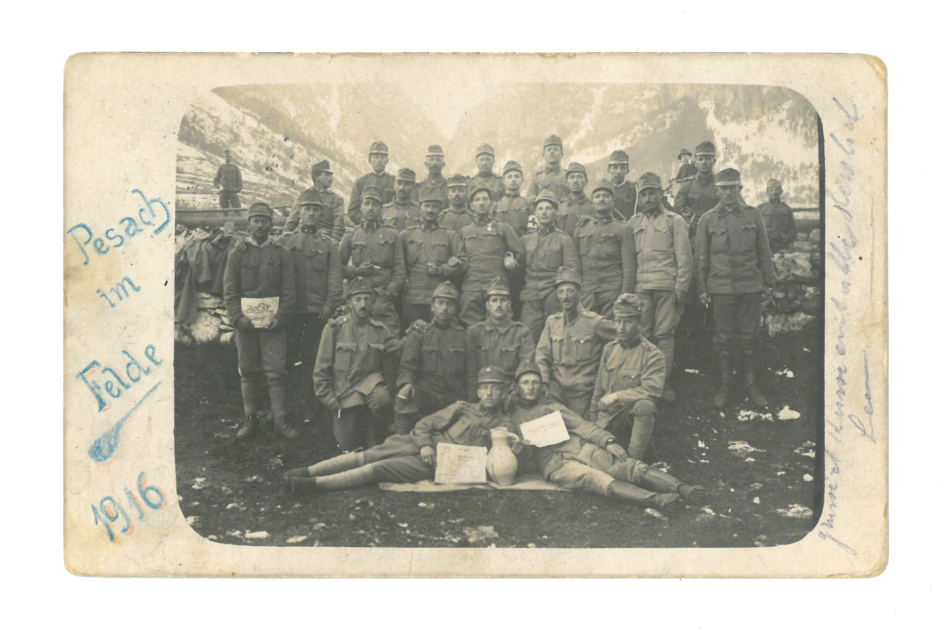
As a result, it became possible for acting servicemen and women to observe Pesach with fellow Jews, under the guidance of a Rabbi, wherever Jewish troops were serving. In this collection, we have brought together pictures, letters, information and an issue of the Jewish Chronicle from Pesach 1917 which give us an insight into the thoughts of those Jews. The collection includes references to the Jews of Britain, the Empire and Commonwealth and Jews serving with the German and Austro-Hungarian forces.
For Jews, whether serving a century ago, across the years or in the armed services today, the Pesach story is one that resonates and brings unity. A reminder of a fundamental right worth fighting for, freedom.
The men killed during Pesach 1914-1918
Using the records contained in the British Jewry Book of Honour, we know that 12 Jewish officers and 80 men of other ranks were killed during the four Pesach periods of the First World War. The number is likely to be slightly higher if we assume that not all Jewish men are recorded in the book. In addition to those killed, many more will have been wounded. Their names can be found by searching through the wounded lists in the Jewish Chronicle archive.
Fatalities include Jewish men from across the UK and the British Empire – Australia, South Africa and Canada. They are buried or remembered on war memorials across the Western Front and the Middle East. All their names are listed here.
Interestingly, in Pesach 1915, more Jewish officers than other ranks were killed indicating that a number of Jewish men were already in the professional British Army prior to the war.
One of the officers who died was Major Ernest Alex Myer, listed as killed in action (KIA), 03/04/1915. He was a 40 year old Londoner in the London Regiment (City of London Rifles), and is buried in Guards CWGC Cemetery, Windy Corner, Cuinchy, France
In 1916, Isador Steinberg, from Perth in Western Australia, was serving in the Australian Infantry. He was reported killed on 20/4/16, aged just 20. He is buried in Rue-du-Bacqureot (13 London) CWGC Cemetery, Laventie, France.
1917 was the worst year for Jewish servicemen during Pesach as the Festival occurred over the same period as heavy fighting in the Northern France area of the Western Front.
On 10/4/17, two Jewish men, one a private in the army and the other a Mercantine Marine were killed but are without headstones. Mendel Emanuel Levene, the Mercantine Marine, was killed at sea aged 19 and is remembered on the Salta Memorial Ste. Marie Cemetery, Le Harve, France. Private Sydney Bloom of the Middlesex Regiment was killed on the same day with no known grave and is remembered on the Thiepval memorial, The Somme, France.
10/4/17 was a bleak day as Emmanuel Schwartz, serving with the Army Cyclist Corps, was also killed and is remembered on the Arras Memorial.
In 1918, the final Pesach of the war, Private Jack Dion MM was killed on 27/03/1918. He was aged 27 and serving with the Northampton Regiment, although he was a Londoner. As the MM indicates he had received the Military Medal for his bravery in earlier battles. He is remembered on the Pozieres Memorial in France.