• A
  • A
  • A

Jewish Members of Parliament in the First World War

On the 3rd August 1914 Parliament discussed the worsening situation in Europe. Not only had Arch Duke Franz Ferdinand and his wife been assassinated on 28th June in Sarajevo, but Germany was ignoring the British ultimatum for free passage of troops through Belgium. The Foreign Secretary Sir Edward Grey set out the worsening international position and had “made clear to the House that we are prepared to face the situation.”

Sir Arthur Ponsonby also addressed Parliament that day saying: “It is by this House of Commons that the decision must be taken, and however small a minority we may be who consider that we have abandoned our attitude of neutrality too soon, every effort should still be made to do what we can to maintain our attitude of peace towards the other Powers of Europe…War is a very different thing today from what it has been before. We look forward to it with horror.”[1]

The Defence of the Realm Act 1914 (DORA) was passed by both Houses on 7 August 1914, without even time for a printed text being available. It gave the Government sweeping powers to nationalise key industries, enforce press censorship, introduce British Summer Time and create licensing hours for pubs[2].

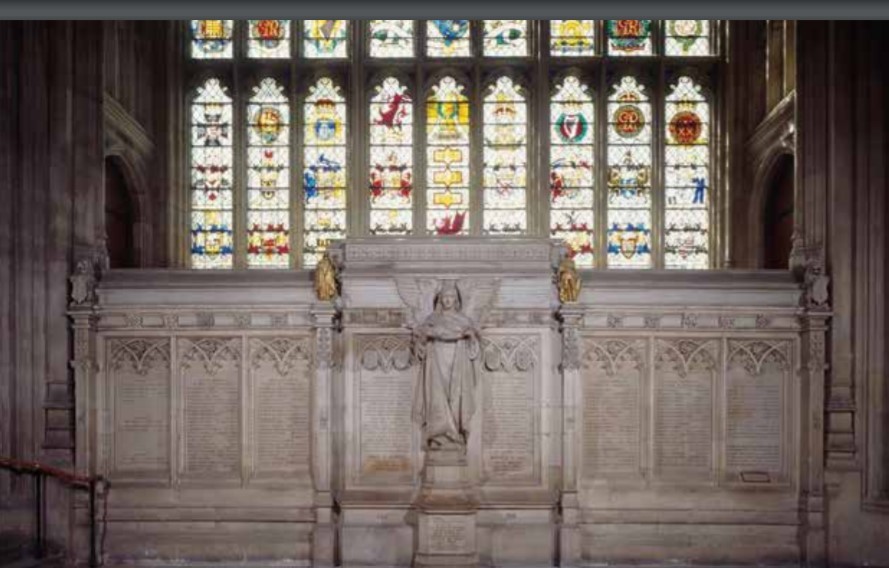
264 MPs served in the First World War, with 22 of these making the ultimate sacrifice. Many more Members’ sons and House staff were also killed.[3]

Although Benjamin Disraeli had been born a Jew he had converted to Christianity serving Queen Victoria as her Prime Minster. Although there was no bar to Jews being elected, Lionel de Rothschild represented the City of London from 1847 but could not take the oath which said “on the true faith of a Christian”. It was not until 1858 that the oath was changed and Lionel de Rothschild became the first Jew to sit in the British Parliament. There have been Jewish MPs in every Parliament since, and appointed to almost every major office of state.[4]

Initially, those MPs were drawn from the upper echelons of Anglo Jewry, often referred to as the Cousinhood. Until 1874 the vast majority were elected as Liberals, until Saul Isaac was elected as the Conservative member for Darlington. Since MPs at this time were not paid a salary nor given allowances, it was necessary for them to be independently wealthy.

The rise of the Labour Party in the early years of the 20th century increased demands for the introduction of a payment to MPs.[5] Lloyd George, then Chancellor of the Exchequer, said “The only principle of payment in the public service is that you should make an allowance to a man to enable him to maintain himself comfortably and honourably, but not luxuriously, during the time he is rendering the service to the State.”[6] So it was that, in 1911, MPs were granted a salary of £400 a year, a salary which remained unchanged until 1937.

Aspiring Jewish politicians were now able to stand for Parliament. Huge numbers (approximately 250,000) of Jews from Russia and Poland, came to Britain between 1880 and 1914, changing the makeup of Anglo Jewry. The 1905 Aliens Act, supported by most of the Jewish MPs, slowed the immigration, but it was not until the outbreak of the First World War that the immigration stopped completely. No longer did the Cousinhood, who supported primarily the Liberal or to a lesser extent the Conservative parties, have control of the community. Large numbers of immigrant Jews were now joining Unions and supporting the Labour Party.

At the 1910 election 17 Jewish MPs were elected to Parliament. A further 6 won by-elections between then and the end of the war. There was no General Election during that time[7]. These MPs were drawn from across a wide spectrum of the Jewish community.

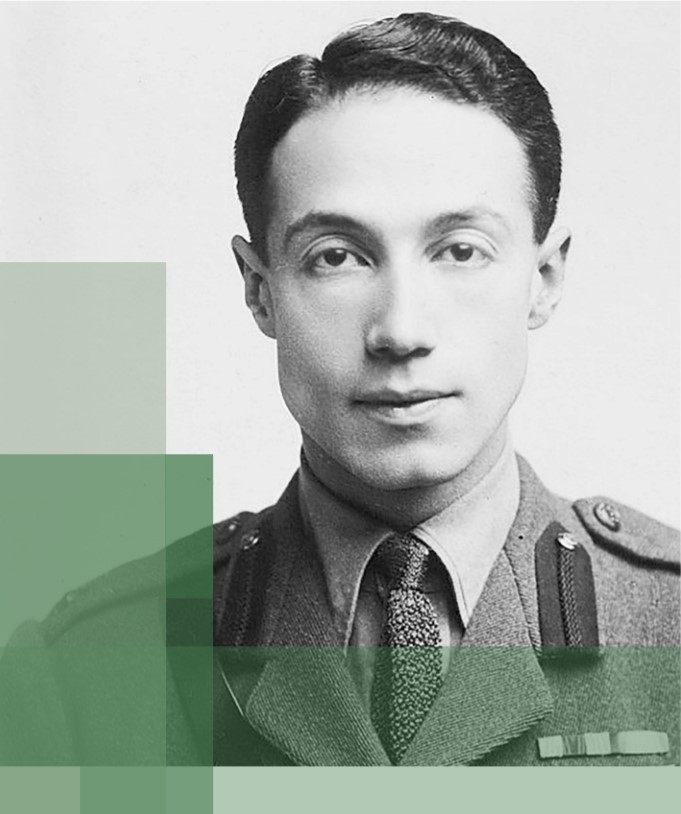
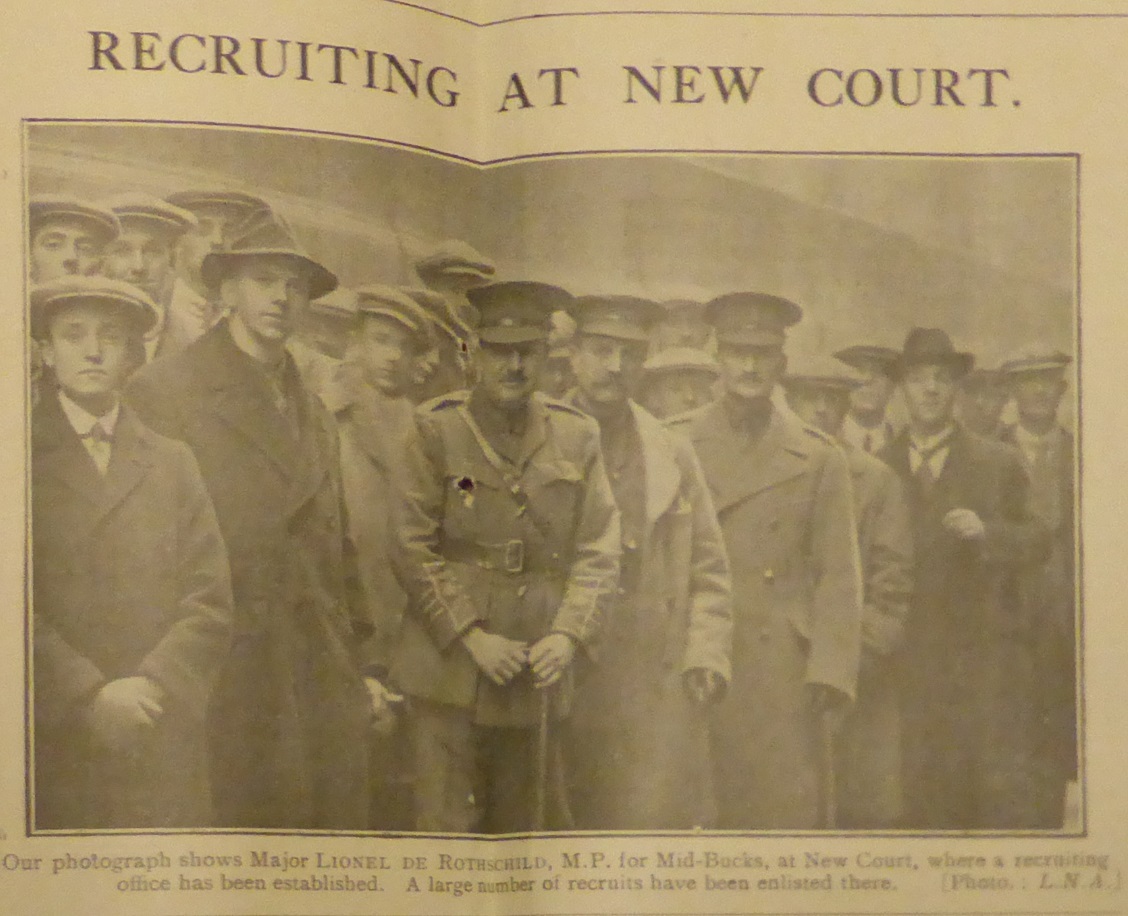
There were the well-connected like James and Lionel de Rothschild; James served first in the Canadian Dragoons and later in the 39th Royal Fusiliers, being awarded the DCM (Distinguished Conduct Medal) while Lionel remained in Britain, serving as a Major in the Royal Bucks Yeomanry, busying himself with war-related matters, setting up a recruitment office in Rothschild Bank. Like several well-connected Jews he was against the setting up of a Jewish State in Israel and was the Co-Founder and first President of the Anti-Zionist League of British Jews.[8]

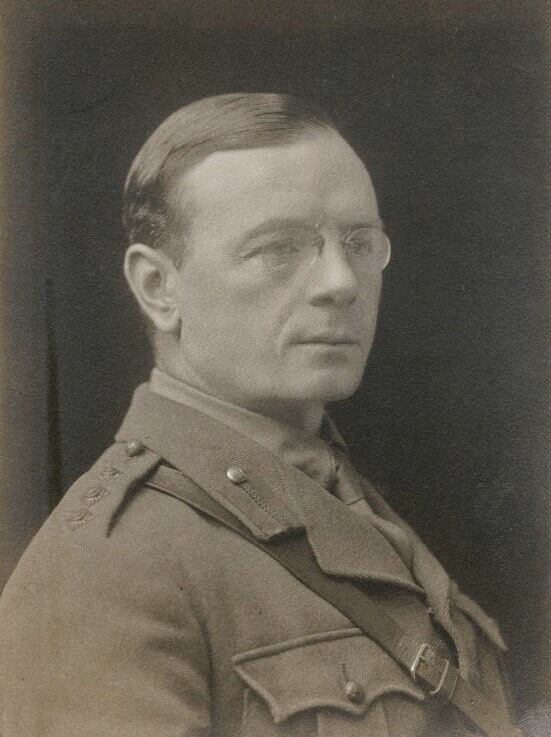
Others took the opposite view. Leopold Amery, who went to great lengths to hide his Jewish origins, was persuaded that the Zionist cause was just. Amery then became one of those who contributed to the drawing up of the Balfour Declaration in 1917.

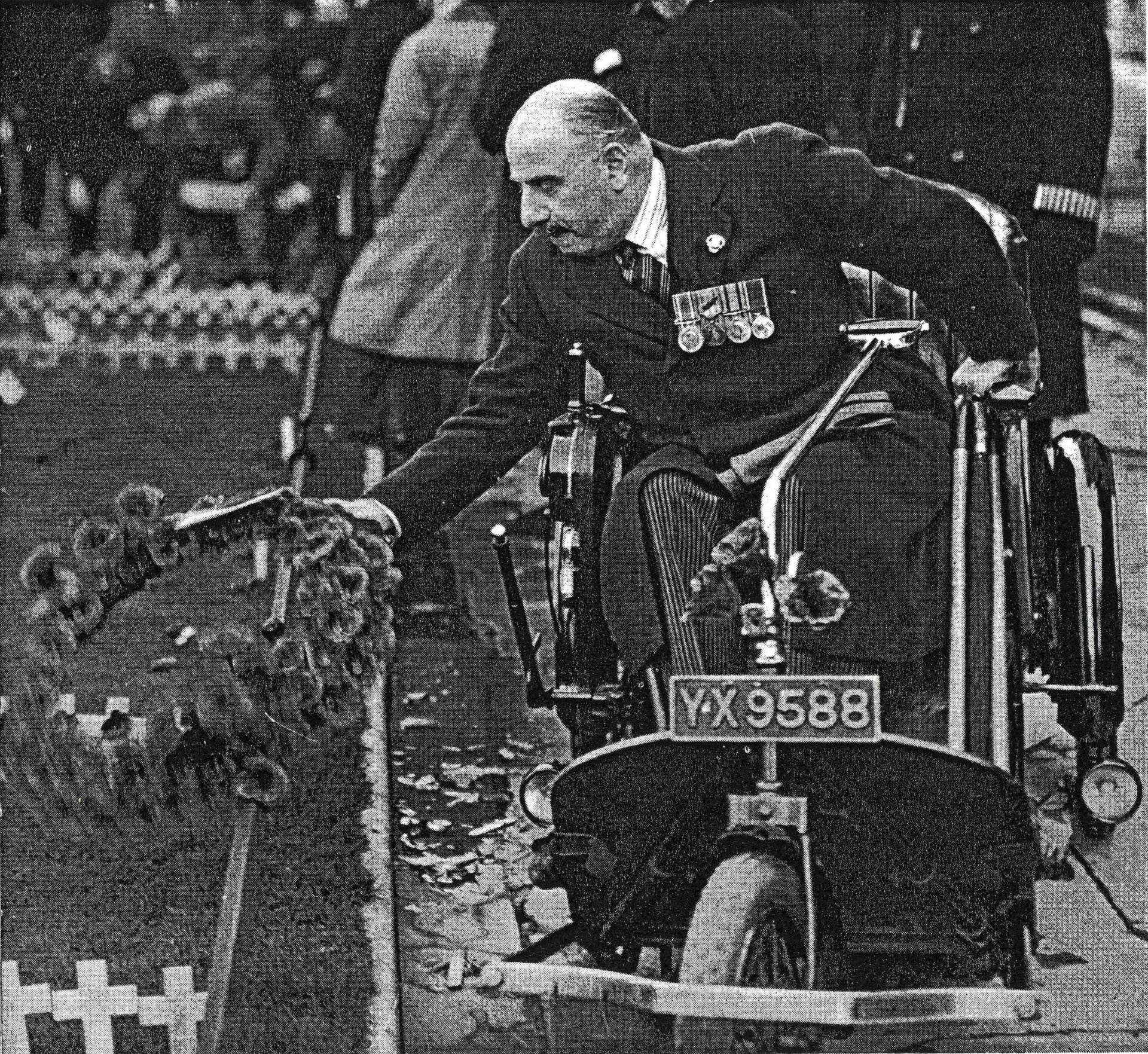
Some Jews who entered Parliament after the war had served in the trenches, like Jack Brunel Cohen, who lost both his legs at Passchendaele, and used his time in Parliament to champion the cause of disabled ex-servicemen, leading to the passing of the Disabled Persons (Employment) Act in 1944.

There were the less illustrious, such as Ignatius Trebitsch-Lincoln MP. Born in Hungary, he changed his name several times, and travelled the world, living at various times in England, America and China. His many, varied exploits included petty theft, changing religions, politics and running a Romanian oil field. Finally, during World War 2, he turned his hand to spying, attempting to be a double agent.

On our site, British Jews in the First World War, we commemorate these and many more Jewish MPs who lived through this terrible war.

Lola Fraser

[1] https://www.parliament.uk/documents/WW1/duty-and-democracy-parliament-and-the-first-world-war.pdf 

[2] https://www.parliament.uk/documents/WW1/duty-and-democracy-parliament-and-the-first-world-war.pdf

[3] https://www.parliament.uk/documents/WW1/duty-and-democracy-parliament-and-the-first-world-war.pdf

[4] Jewish Parliamentarians by Greville Janner and Derek Taylor, 2008 P7

[5] https://publications.parliament.uk/pa/cm201012/cmselect/cmmemex/1484/148404.htm

[6] https://publications.parliament.uk/pa/cm201012/cmselect/cmmemex/1484/148404.htm

[7] Jewish Parliamentarians by Greville Janner and Derek Taylor, 2008 P48

[8] https://en.wikipedia.org/wiki/Lionel_de_Rothschild_(born_1882)

Give us your feedback

Please tell us what you think to help us develop and progress this vital resource

London Jews in the First World War - We Were There Too

Follow us on social media:

  • Twitter
  • Facebook
  • Instagram

© London Jewish Cultural Centre 2018

Website by Beachshore