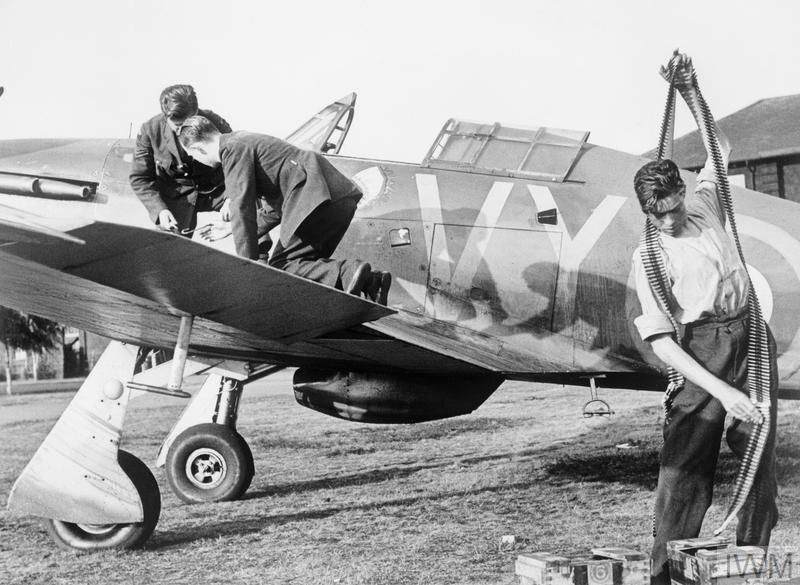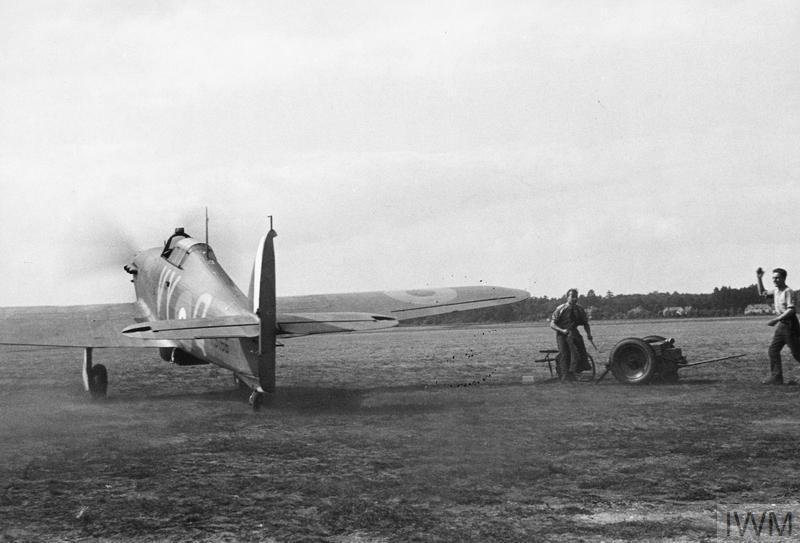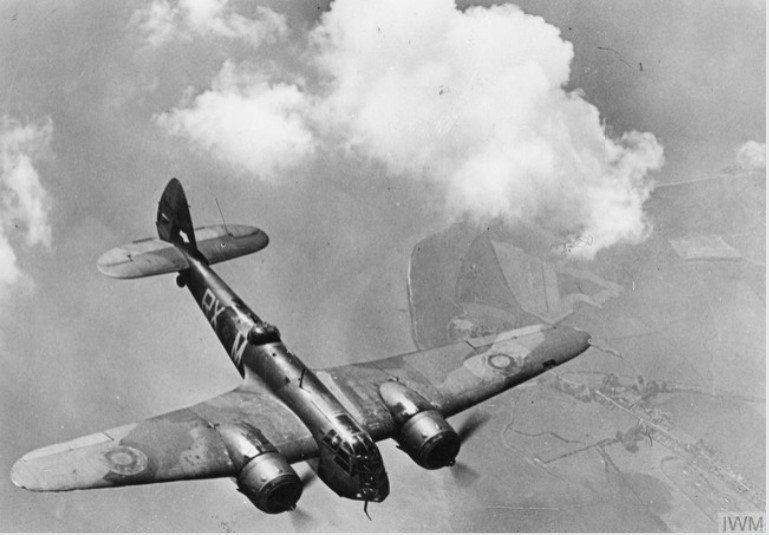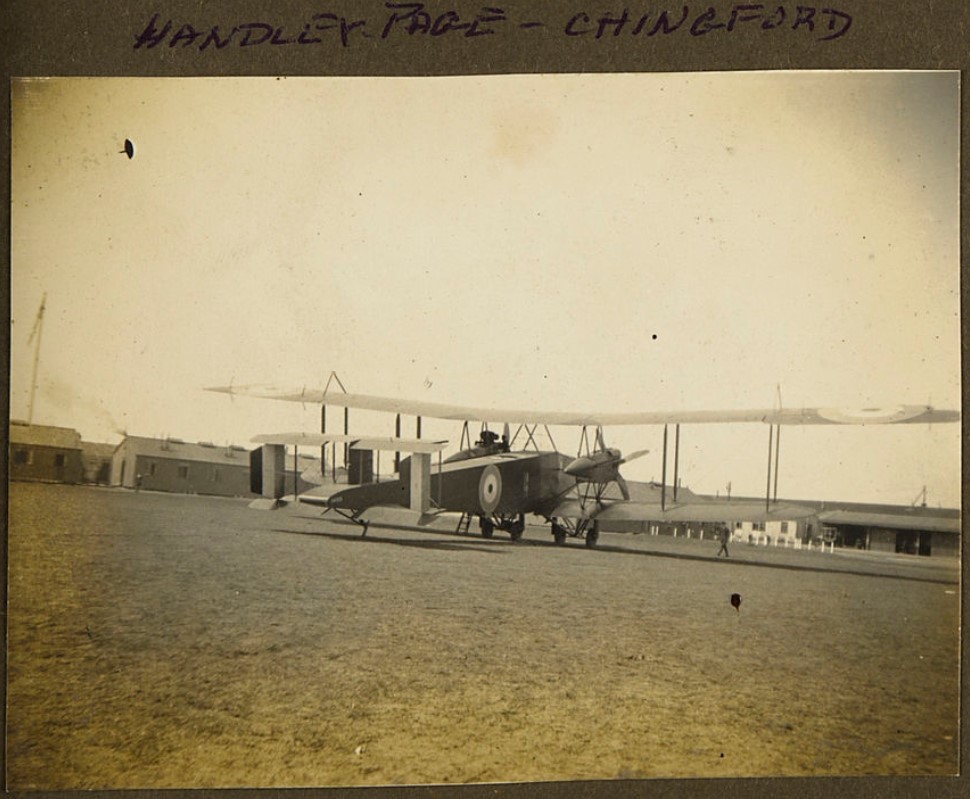
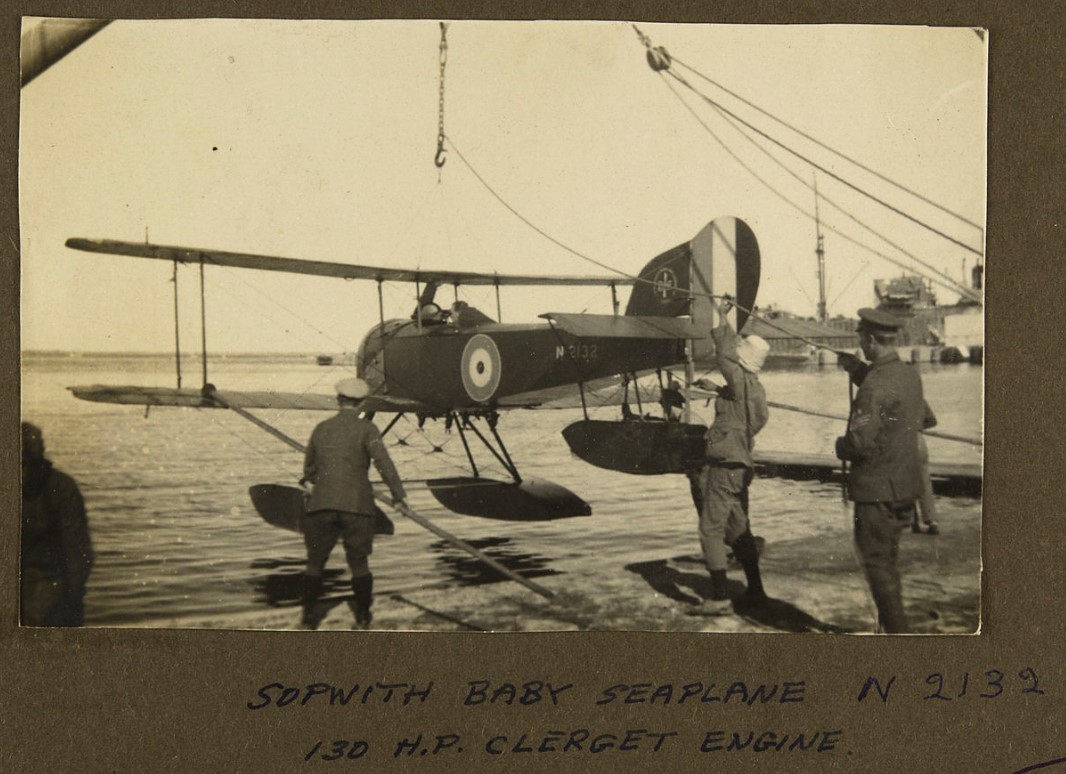
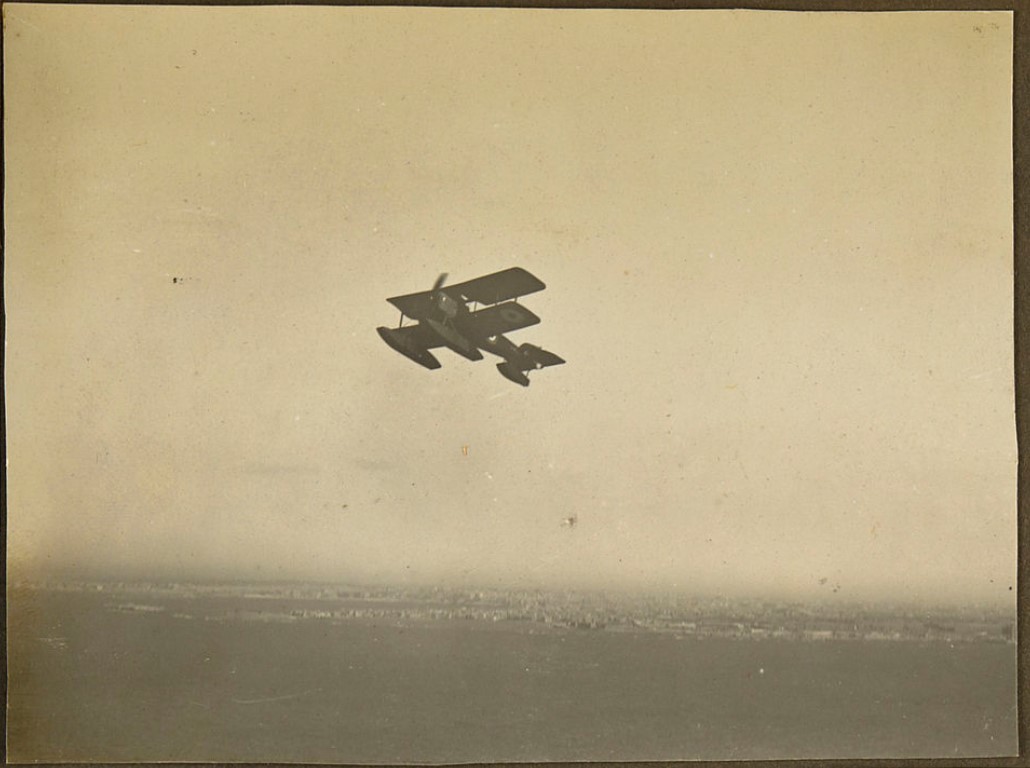



This year is the 80th anniversary of the Battle of Britain 1940, one of the most important Battles for the British during the Second World War. The Nazi war machine had a pattern of attack starting with the invasion of Poland in September 1939. It attacked at first from the air with what became known as a Blitzkrieg – a lightening assault on airbases, military sites, transport hubs and strategic sites all from the air; only after these places were destroyed did a land attack come. That meant that within only 25 years aircraft had gone from being an add on at the start of the war to an essential and initial part of an attack and therefore an essential part of the response and defence. On those 25 years aircraft had become far more than a tool for reconnaissance, they were now a key part of any battle plan.
From July 1940 to September 1940 the Germans attacked Britain using the same tactic of Blitzkrieg that had won them the all of Western Europe as well as Poland in the East. Here in the UK without the women and men on the ground operating the response: the radar systems, anti-aircraft guns and ensuring the aircraft could operate the battle could not have been won, but that aside the physical fighting largely took place in the air, using aircraft, and therefore without the bravery of the pilots Britain would have lost.
The Battle of Britain – the British success story of 1940 that stopped an invasion, included pilots and ground crew from across the world, especially European nations that had already fallen to the Nazis. It was the first defeat the Nazis experienced and it was done in the air: the newest of battlespaces.
Too often the First World War and the Second World War are linked together in a lazy fashion when they were quite different conflicts in many ways. However, undoubtedly they do link together through the role and progression of technology. This year at the anniversary of the Battle of Britain we can reflect not only on the enormity of the battle on the bravery of those that contributed from the Allies but also how technology from one conflict linked to the next.