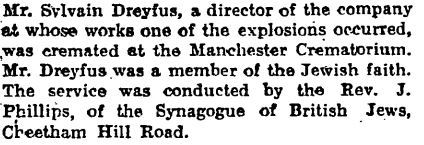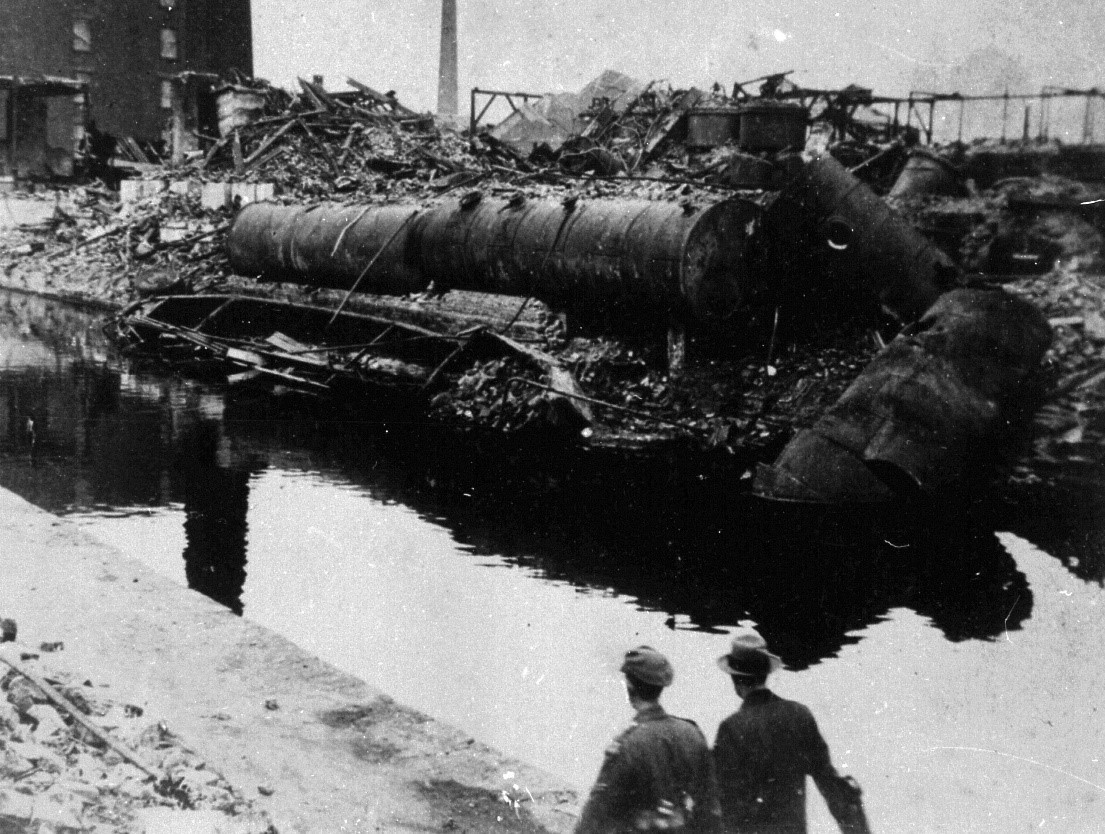

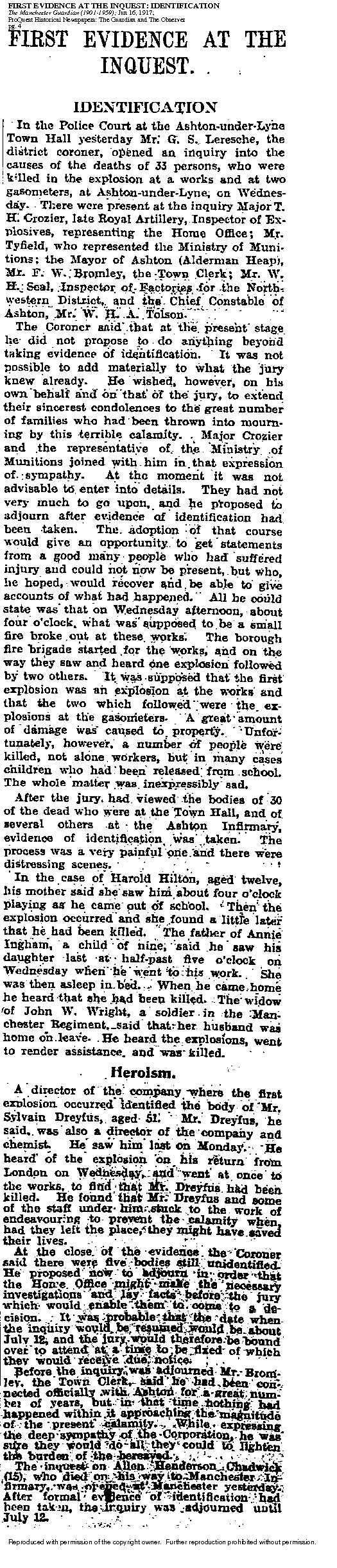



Those who were killed were not just the workers who had been inside the factory. Workers on a nearby railway line were amongst the victims, as well as a soldier, John W. Wright, on leave from the army, who heard the initial explosion and ran to help.
Seven children were also killed on their way home from the nearby St Peters Primary School, the youngest victim being just four years old. There is a plaque in the current St Peters Primary building bearing the names of those who died, and pupils from the school performed the musical ‘Blast’, written specifically about and to commemorate the disaster on its 100-year anniversary in 2017. There is also a memorial to all those who lost their lives in Henry Square, near the site of the factory itself, the design of which was inspired by drawings made by pupils at St Peters.
Just three days after the disaster, the Mayor set up a relief fund to begin helping the victims. Lord Beaverbrook, who represented the borough as Max Aitkin MP until 1916, was the first to donate, with a sum of £500. Subscriptions didn’t just come from local people or the wealthy. Many came in from Lancashire and Cheshire, and many smaller sums from working people, as well as from collections in workshops meaning the sum was £2,800 just a week later, according to the Manchester Guardian on 20th June. The fund was also helped by special benefit performances being put on in the town. George Formby appeared in one of these at the Theatre Royal in Ashton on 30th June, as he was originally from Ashton and wanted to help the appeal in some way. By August, a total of £10,000 had been raised.
The whole town was affected in some way by the disaster, as not only were homes damaged, many becoming uninhabitable, but also businesses. So many residents’ livelihoods were affected that the Ministry of Munitions set up a local office in Ashton to deal with claims for personal injury and damage to homes. Damage to nearby cotton mills meant that many were not able to go to work, but the Ministry of Munitions said they could not extend the claims to include those for loss of employment (Manchester Guardian, Sept. 1917).