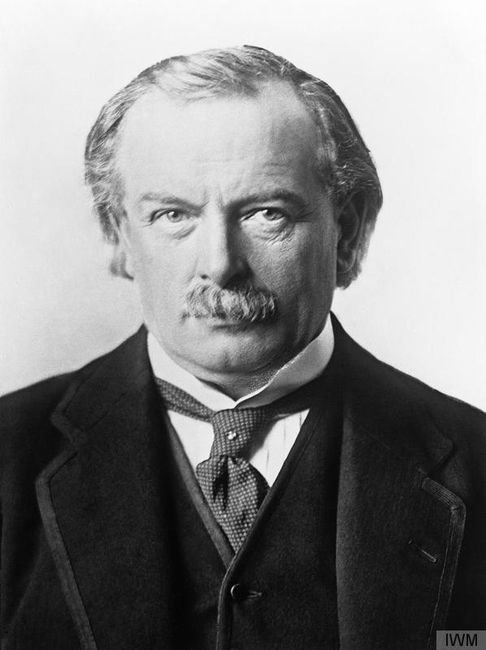
When the news of the shell shortage was reported in The Times newspaper, it caused a scandal and knocked Herbert Asquith’s government. The Minister, Lloyd George, used the news to his benefit, having wanted to shake up war armaments production and how it was being organised. Lord Kitchener was responsible as head of the War Office but he did not seem to be able to get a grip on production.
The scandal was so damaging that the British Liberal government collapsed on 25th May 1915 and a coalition was formed, although Asquith remained as Prime Minister. Kitchener could not be replaced in his role, as his popularity amongst the British people was too high. Instead, the new government created a new department – the Ministry of Munitions - with Lloyd George at its head.
In July 1915, the new government passed the Munitions of War Act.
The Munitions of War Act was similar to another act during the war years – Defence of the Realm Act (DORA). It was a piece of legislation designed to control the making of explosives and weaponry – in this case the production of ammunitions. The Act enabled Government to commandeer factories for Arms production. Strikes were banned and labour disputes went to compulsory tribunals. Hours and production were controlled by Government, including who could work in the factories and if people were allowed to leave their employment.
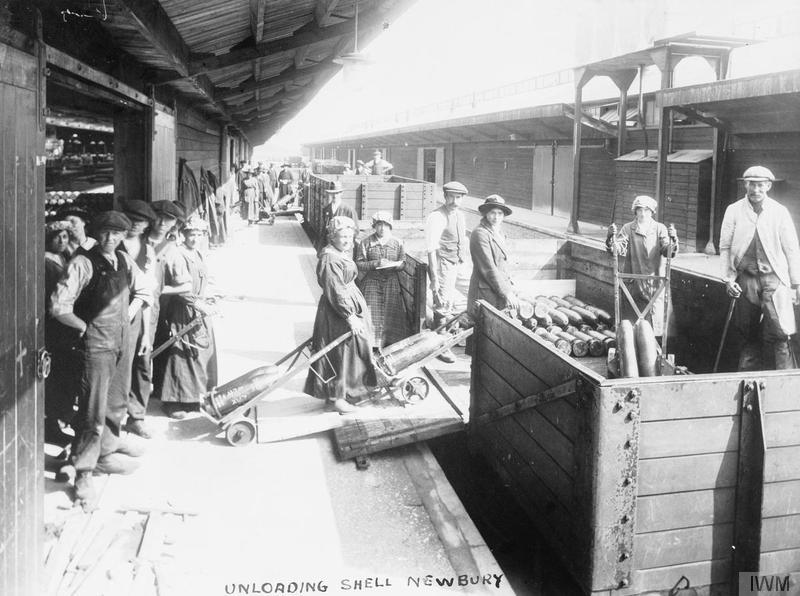
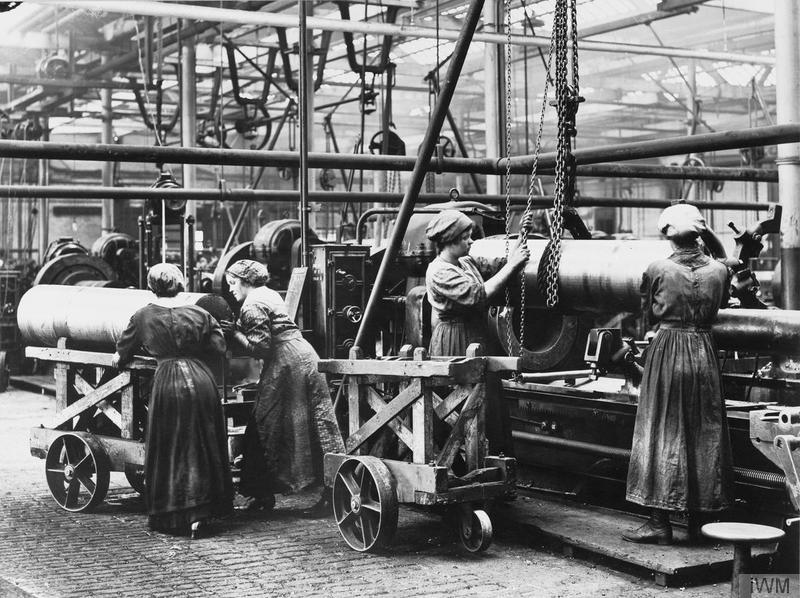
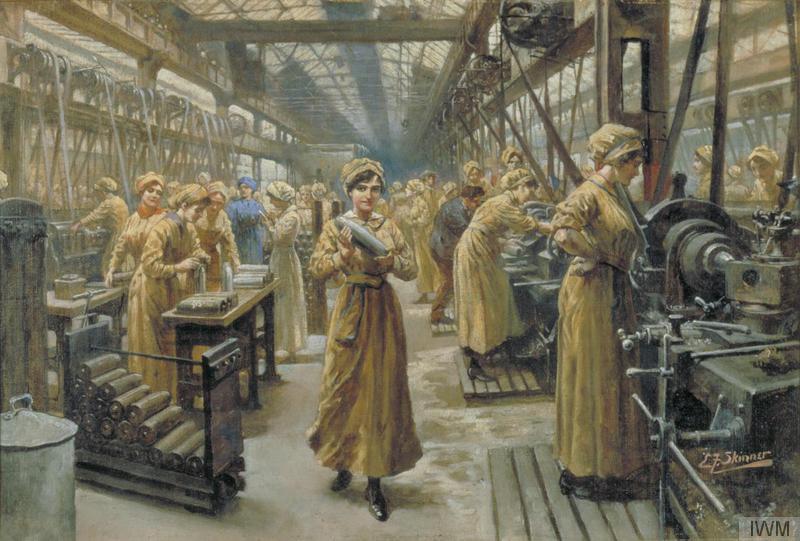
Women were asked to sign up for factory work, especially in the ammunitions factories, to create a large new workforce. They were paid considerably less than their male counterparts, usually 50%, and there was a concern that this would cause problems after the war. However, an agreement between the unions and the authorities stated that, once peace was restored, women would be removed from their positions to ensure that the men were employed.
Prior to the war, approximately 200,000 women were employed in munitions work in the UK. At the end of 1918, that figure had increased to 950,000.
By the end of the war, the British Army had fired 170 million shells.