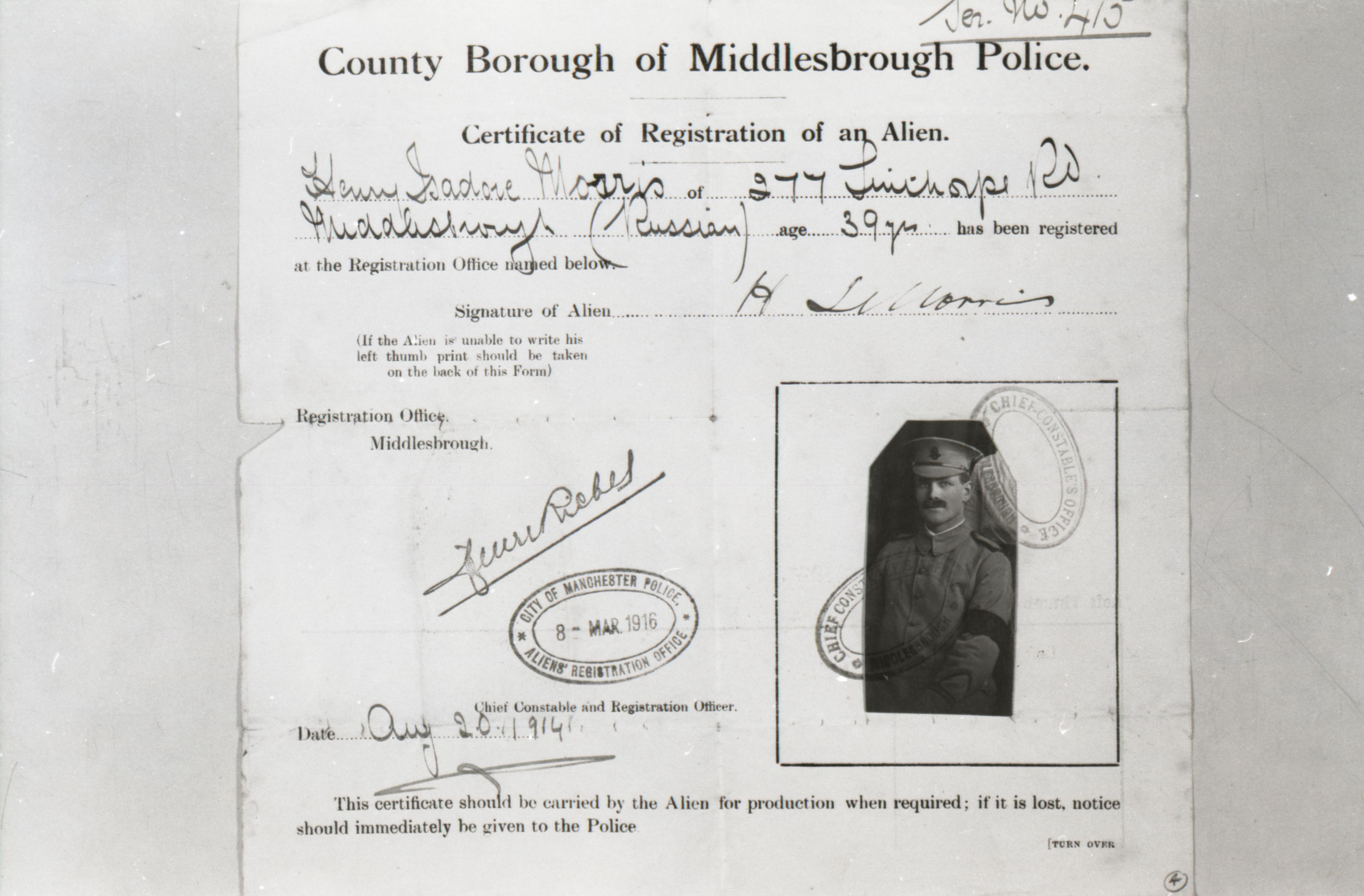
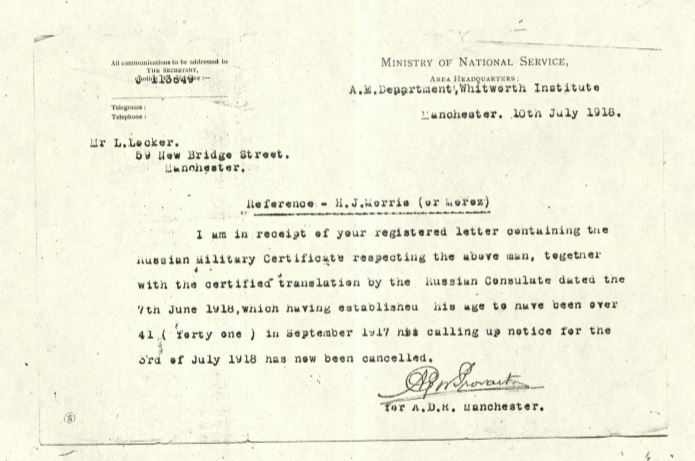
Those who were classed as enemy aliens- mostly men and women from Germany and Austria-Hungary - had great restrictions put on them, and men of military age were interned (see 'Jews interned during the First World War' History Window). When the Ottomans joined the war in November 1914, this complicated things further, particularly for the Jewish community, as there were many Jews living in this country who had been born in places like Syria and Mesopotamia who were now at risk of being interned as enemy aliens.
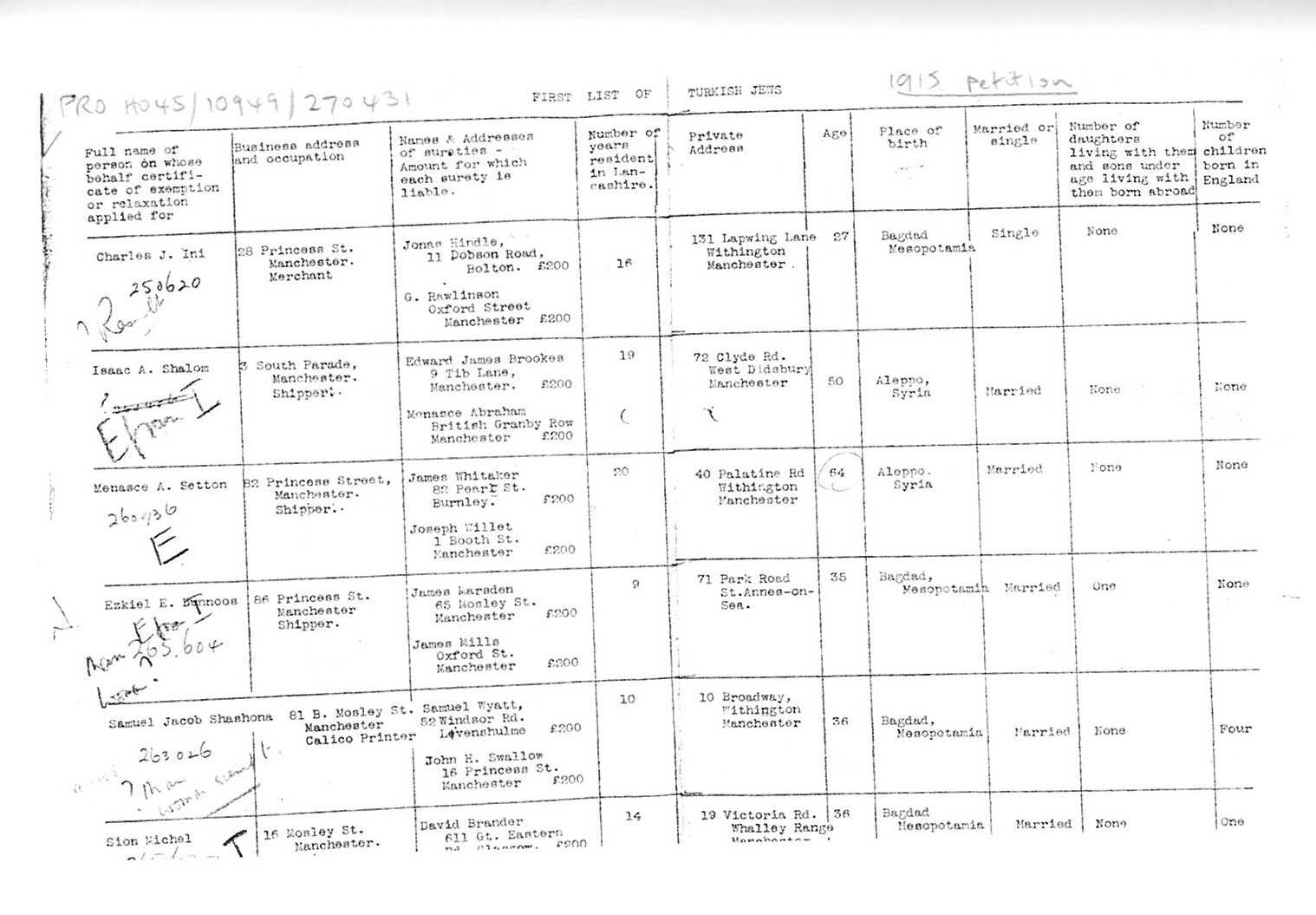
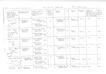
In May 1915, the Conjoint Board of Elders in Manchester submitted a list of 13 names from its membership who came from Aleppo and Baghdad, and were affected by the restrictions, to the Home Office requesting exemption. Each name came with a letter and two guarantors – a surety of £200 from each, around £17,500 in today’s money. Of these names submitted all were from Withington, except one from Whalley Range and one from St Annes-on-Sea.
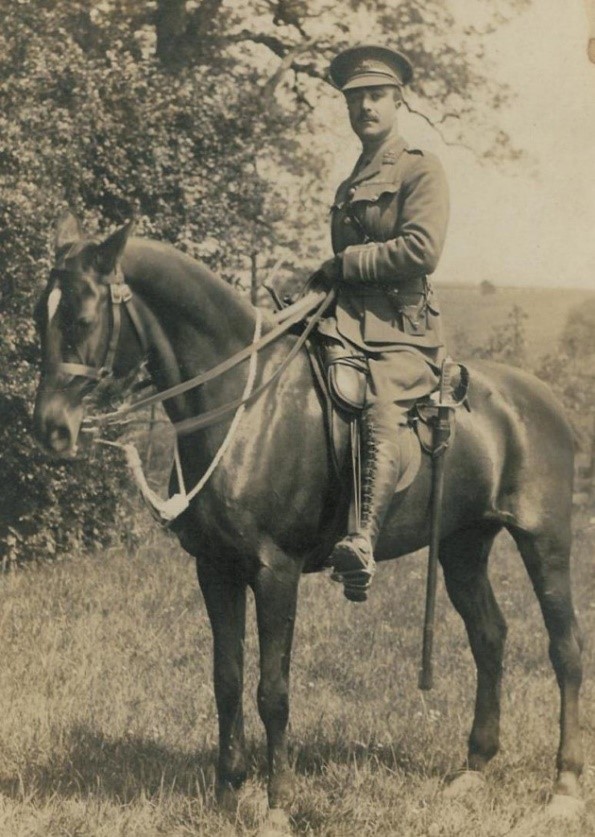
Even those that had served in the British army previously were not able to serve if they had German or Austrian roots. Leonard Messel, born in Brixton, London in 1872, had been a member of the Volunteer Movement (or Territorial Force) since c.1892. In 1912 he was given the title of Captain and Hon. Major 4th Battalion, Royal Sussex Regiment, Territorial Force. During the First World War, Leonard was debarred from fighting overseas due to his German origin. Instead, he trained soldiers from the 4th Reserve Battalion, ‘The Buffs’ (Kent), for which he was awarded an OBE. Leonard became a Lieutenant-Colonel and was known as ‘Colonel’ for the rest of his life. He exchanged many letters with serving soldiers, and occasionally provided financial support for their families. Despite his knowledge and passion, Leonard was unable to serve on the front lines due to his heritage.
Shortly after British troops entered Baghdad in March 1917, a petition was sent to the Secretary of State by 20 merchants from Manchester who had been born in Mesopotamia, and were therefore technically ‘enemy aliens’. The petition stated that because these men were “loyal to the British Empire”, they should be “relieved of the stigma of being described and treated as alien enemies”. These men were particularly affected by the restrictions, as they were allowed to travel no further than 5 miles from their home address, and this, they argued, impacted their trade greatly.
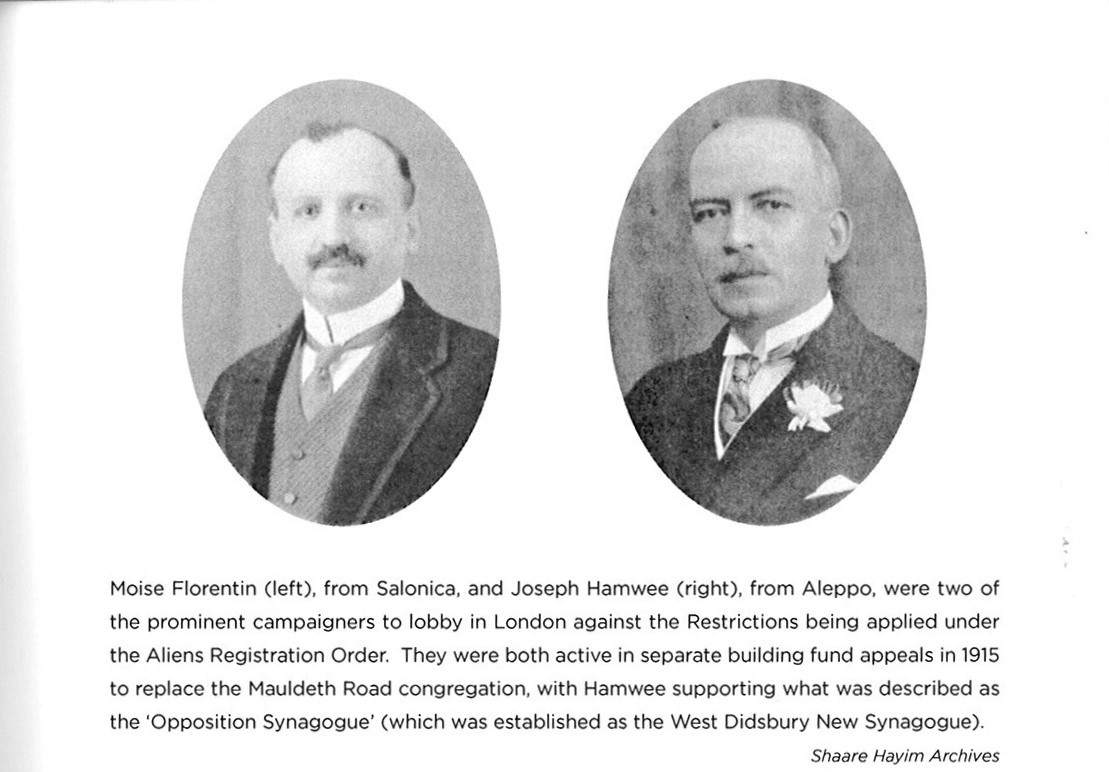
It was eventually agreed that restrictions would be lifted for those aliens from Baghdad, but they remained in place for many other members of the Jewish community who originated from other areas of the Middle East still under Ottoman rule, such as Salonika and Smyrna.
The Alien Restrictions Act was one way in which the Jewish community was affected by the First World War at home in Britain, whether they had family members serving at the Front or not.