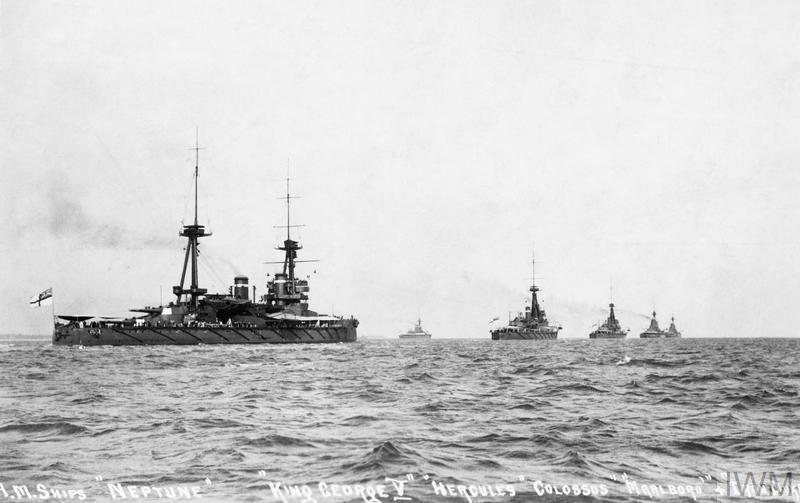
At the outbreak of the First World War, the Royal Navy had been dominating the high seas for over a century. It played a pivotal role in protecting the British Empire and most crucially protecting British trade. Jewish sailors had long been present in the Royal Navy, there was no bar on entry or rank.
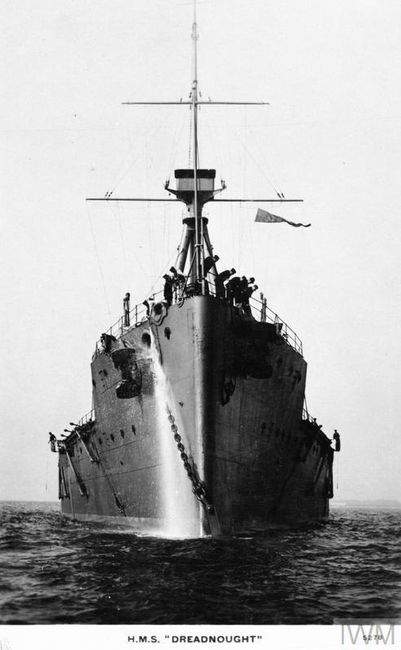
In 1898, Germany began to develop its naval fleet under the direction of Alfred von Tirpitz. In 1906, a new type of battleship emerged - the Dreadnought - that made all other battle ships seem obsolete. Germany set itself the task of catching up with Britain in the production of warships and matching the size of the Navy, which the British took as a threat to their naval superiority - the naval race began.
In 1914, the British Navy had hundreds of ships and 200,000 sailors – still far more than any of those it opposed. It had won the naval race. As soon as war was declared, the fleet was put into a defensive position; it blockaded the seaways of the enemy; laid mines; destroyed underwater communication cables and prepared to support British trade routes.
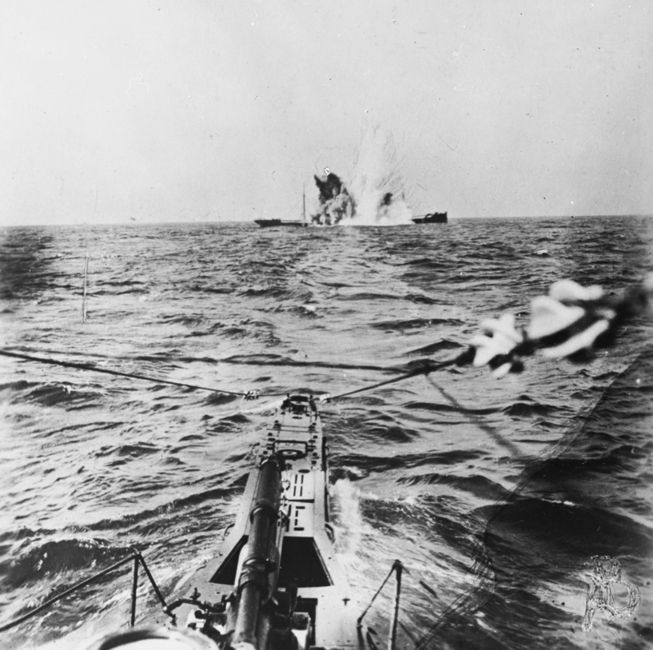
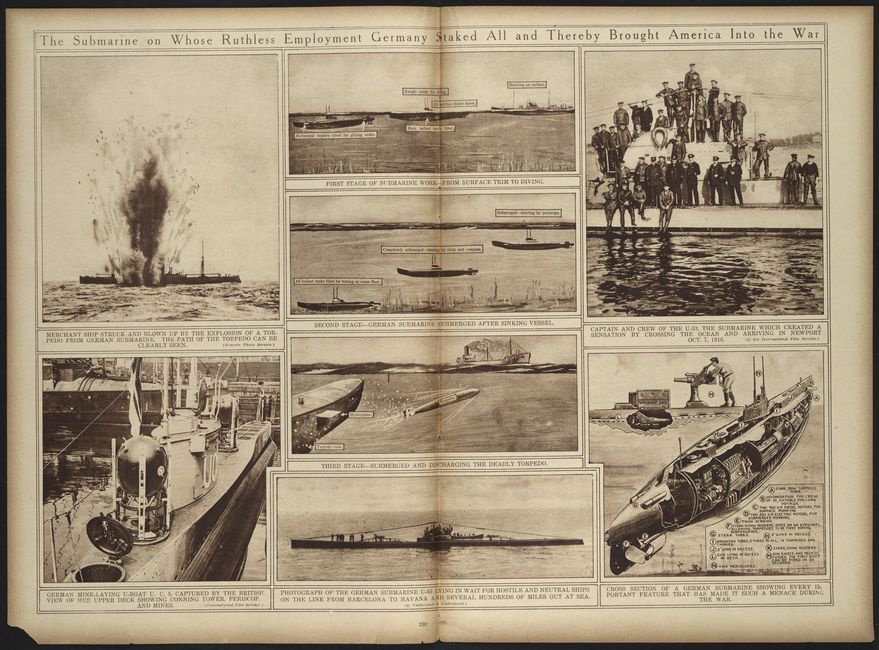
The blockade made it problematic for the fleets of the Central Powers (the Austria-Hungary, Germany, Bulgaria and Ottoman Empire alliance) to operate and for supplies to reach those countries. Germany, in turn, used its U-Boats to attack British shipping and hamper supplies reaching the UK and the Western Front. The result was the loss and death of many Merchant ships and seamen. The sinking of the Lusitania (May 1915) forced the Germans to stop unrestricted U-Boat activity, which resulted in a temporary reprieve in the Atlantic.
A British victory at the Battle of Jutland and the continued blockade led the Germans to rethink their strategy at sea. In early 1917, they resumed unrestricted U-Boat activity, which ultimately provoked the United States into entering the war on the side of the Allies. It also led to high numbers of British ships being sunk crossing the Atlantic until the British employed their own defensive strategy. Merchant Shipping started to be formed into convoys with the Royal Navy sailing in support. Even if one ship was hit by a U-Boat the Royal Navy could attack that U-Boat and remove the threat from the rest of the convoy.
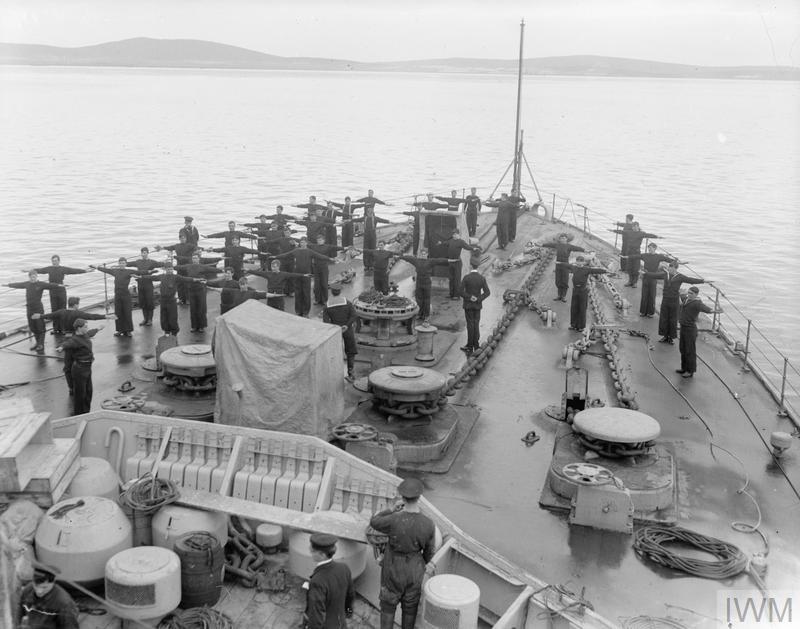
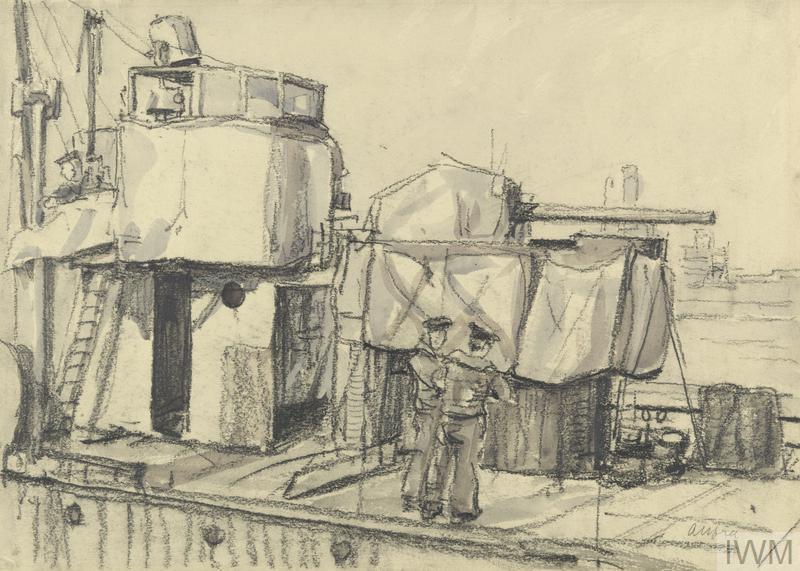
Overall, the First World War was a land war and Jutland virtually the only major sea battle. Despite this, serving in the Navy was still dangerous – there were attacks from Germany and its allies as British ships tried to protect Allied shipping and Naval vessels were always at risk from the usual perils of being at sea.
The Royal Naval Air Service (RNAS) was the Naval counterpart to the Royal Flying Corps (RFC). Its role in reconnaissance, communications and supplies grew into one of combat. It was essential to the development of combat during the war and pushed the use of technology. In 1918, the RNAS joined the RFC to form the new Royal Air Force.
At the start of the war, the Royal Naval Division was formed from Royal Navy and Royal Marine reservists and volunteers not needed at sea. This was to be an infantry division that would fight on land, first at Antwerp and then at Gallipoli. As the war went on, men of the RND would fight alongside the army across the Western Front.
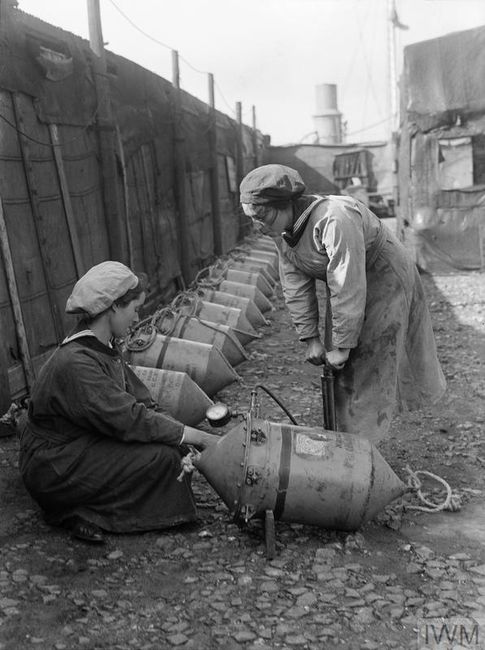
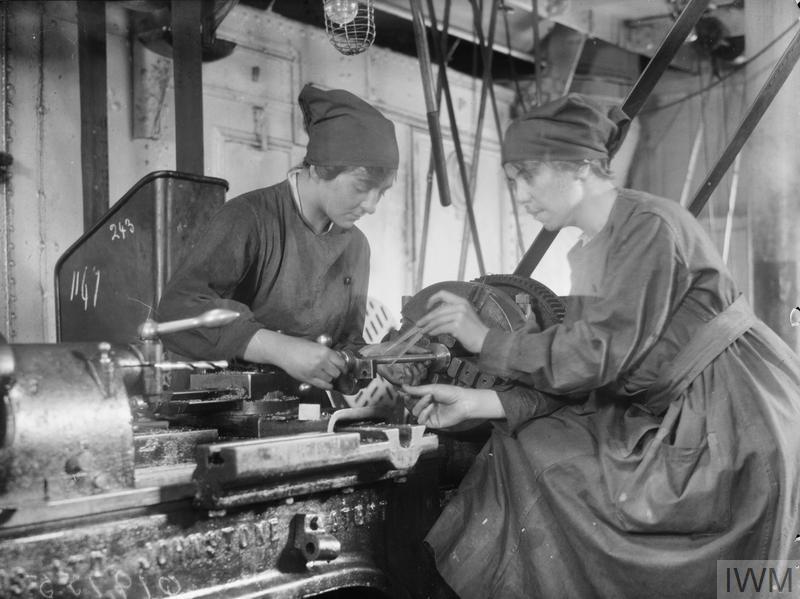
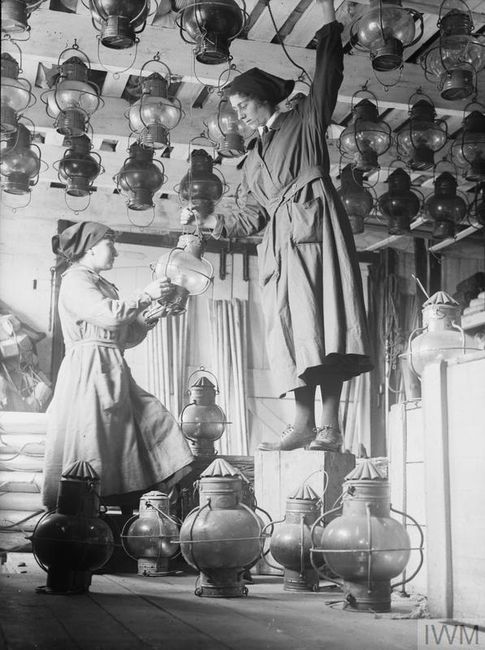
In 1917, it was apparent to all sections of the military that more men were needed to fight in front line roles. Therefore, in 1917, the Navy and the Army created women’s auxiliary units. The Women’s Royal Naval Service (The WRENS) worked in admin, supplies, logistics etc. They were very strictly prohibited from serving on-board ships – that would not change until 1990.
When peace was declared in 1918, the Royal Navy appeared to have had a relatively quiet war, but the reality was that serving on a ship always had its dangers and many lives were lost at sea. Importantly, without the vigilance of the Navy and the security it provided for Britain’s shores and shipping, an Allied victory may not have been possible.