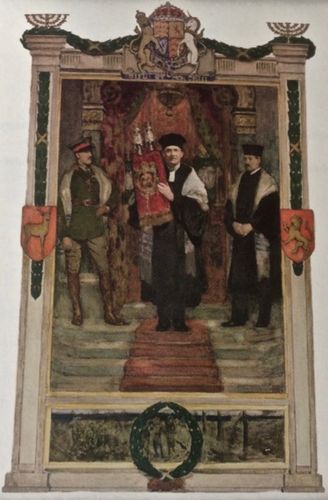
Solomon Joseph Solomon, pioneer in the introduction of camouflage techniques to the British Armed Forces, was born in London on 16 September 1860. He studied at various art schools including Heatherley School of Fine Art, the Royal Academy and Ecole des Beaux Arts.
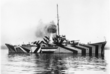
During the First World War, Solomon made a significant contribution to the development of camouflage techniques. Military camouflage, from the French verb meaning ‘to make up for the stage’, was already established before 1914 in response to the increasing range and accuracy of firearms in the 19th century. Following the introduction of the rifle, personal concealment in battle became essential. Rapid developments were made during the First World War with the French Army becoming the first to create a dedicated camouflage unit in 1915.
Solomon originally signed up as a private in the Artists Rifles, a home defence unit, but began to promote his ideas on camouflage to his senior officers. He first attracted military attention by his letter to The Times of 27th January 1915 which began
‘Sir – The protection afforded animate creatures by Nature’s gift of colour assimilation to their environment might provide a lesson to those who equip an army; seeing that invisibility is an essential in modern strategy...‘
Having been given permission to visit the front line in December 1915 to investigate the techniques used by the French, Solomon was asked to set up a team to produce camouflage materials. On 31 December 1915, General Haig, Commander-in-chief of the British forces in France, instructed that Solomon be given the temporary rank of Lieutenant-Colonel to enable him to carry out his new duties.
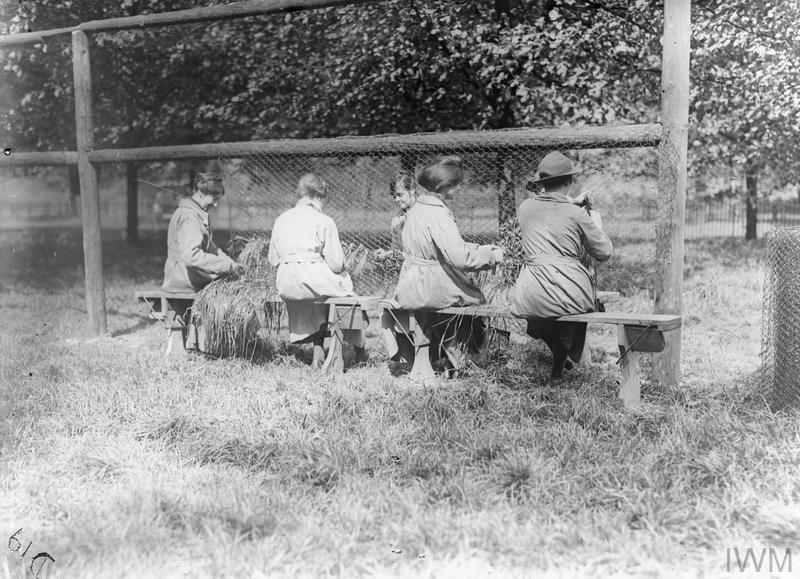
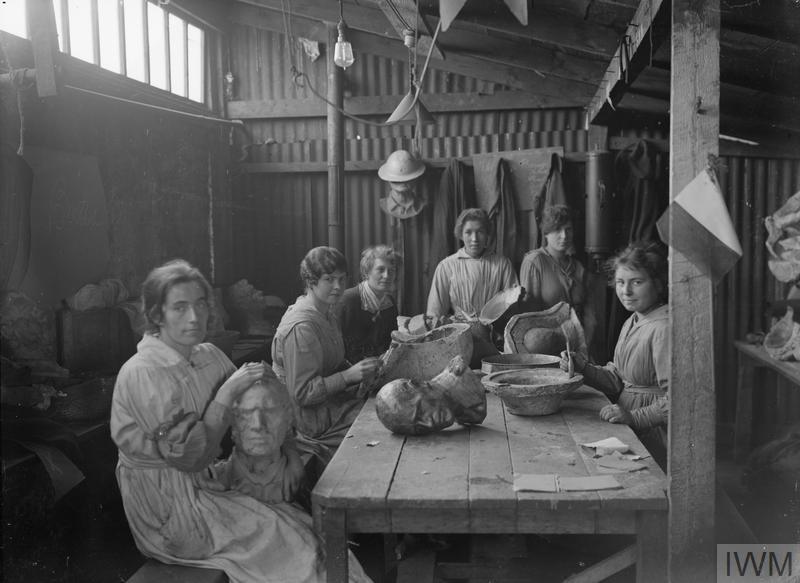
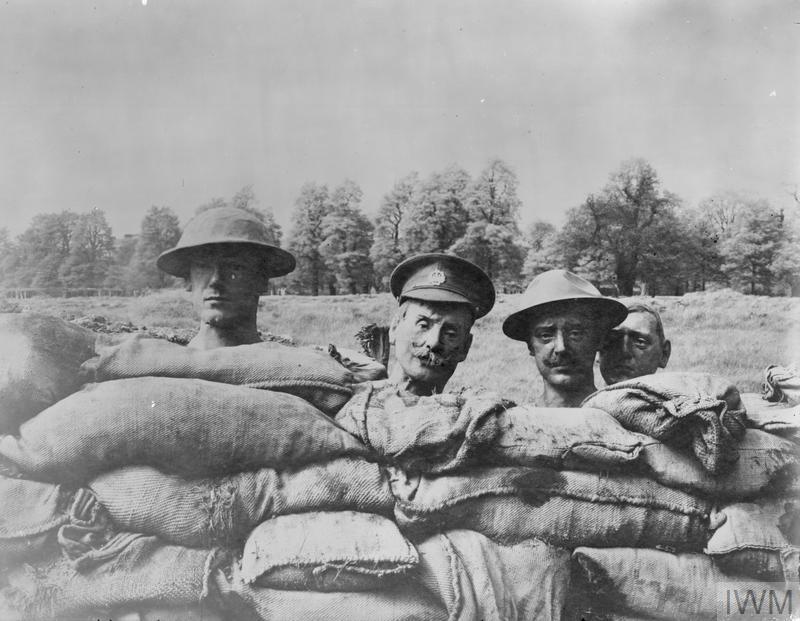
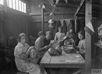
The first dedicated camouflage unit was one of the major innovations of the First World War. In March 1916, a Camouflage School was founded in Kensington Gardens with Solomon as technical advisor. He worked on tree observation posts and argued tirelessly for camouflage netting, writing the book ‘Strategic Camouflage’, published in 1920.