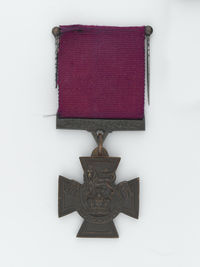




The First World War saw a huge rise in the number of ‘ordinary’ men fighting in the armed forces, with enlistment and conscription increasing dramatically as the scale of the conflict rose to unprecedented proportions. It is, therefore, unsurprising that the Victoria Cross was awarded more times in the First World War than in any other single conflict before or since.
Consistent with the Award’s inclusive nature, transcending race, class and rank, the five Jewish recipients of the VC in the First World War were from a diverse range of backgrounds.
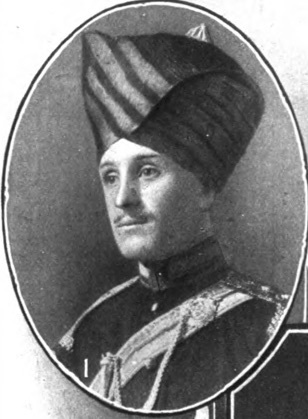
In 1914, Lieutenant Frank de Pass, who had served in the Poona Horse Regiment before the war, was not only the first Jewish officer to receive the VC for his brave actions at Festubert but also the first officer in the Indian Army. His courage under fire, fighting enemy soldiers at close quarters, was hailed by both his comrades and the press.
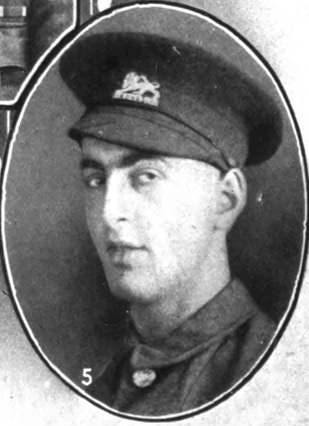
In the years of war that followed, fellow Jewish soldiers Issy Smith, Leonard Keysor, Jack White and Robert Gee were also awarded the VC, becoming part of an elite group of British soldiers honoured with the highest medal for their service.