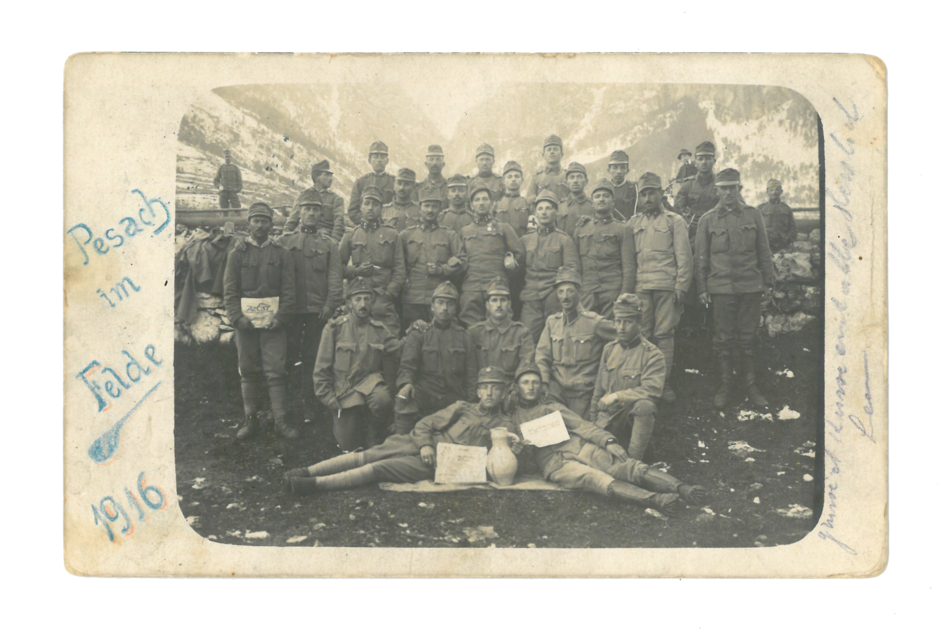
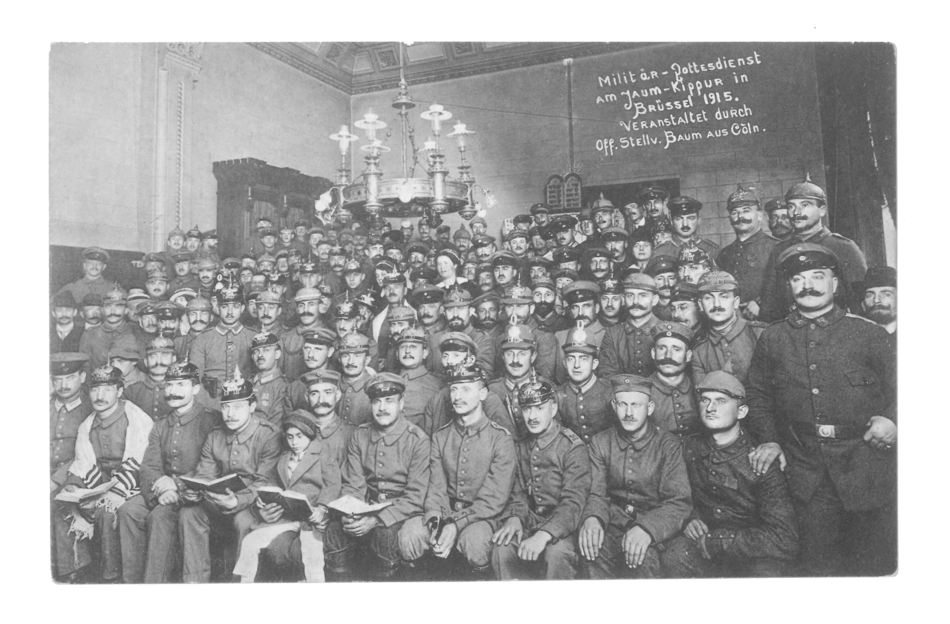
Approximately 100,000 Jewish men served in the German military, a significant proportion of the community. In the region of 12,000 German Jews were killed serving in the forces during the war with over 35,000 awarded honours for bravery. They served in all of the military services.
Antisemitism continued from civilian German life into the forces with accusations of cowardliness. The German authorities ordered a census of German Jewish troops activities in the war which revealed that 80% were serving on the frontline, higher than any other group.
German Jewish doctors were also well represented in the services and in military hospitals.
When the Nazis came to power in 1933, laws were introduced to remove all Jews from public office. German President Paul von Hindenburg (a General and former Chief of Staff of the German Army), stated that anyone ‘good enough to fight and to die for Germany’ should be exempted from the law. Hindenburg also insisted that a new war medal introduced in July 19134 should be awarded to all ex-servicemen or their surviving relatives with ‘no racial or religious exceptions’.
President Hindenburg’s death in August 1934 removed the official protection that German Jewish veterans had. Many carried their war medals with them as they arrived at concentration camps and the Death Camps.
During the Second World War German Jews buried in the war cemeteries did have their graves maintained alongside the non-Jewish German troops; a contrast in treatment to non-military Jewish graves across Europe.
Anecdotally
During 1938, and especially around Kristalllnacht, many Jewish men were arrested and sent to concentration camps. In Jewish family stories it is reported that some of those carrying their World War 1 medals were able to get to the gates and, if they found a fellow non-Jewish veteran there, they would be given the nod to go home. However, if those on the gates were only of the new Nazi authorities the wearing of the Iron Cross meant nothing.
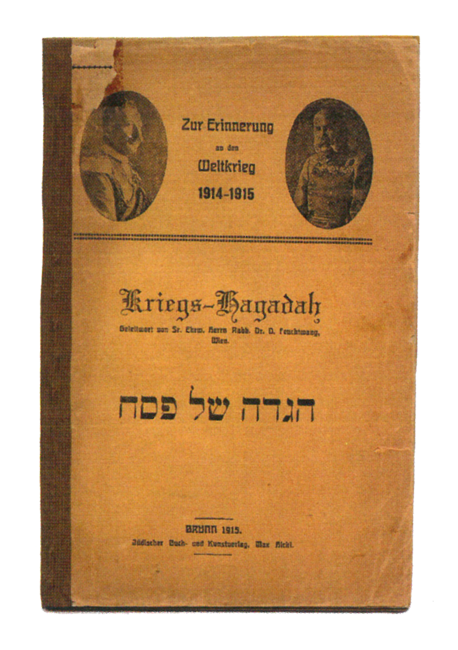
HAGGADAH
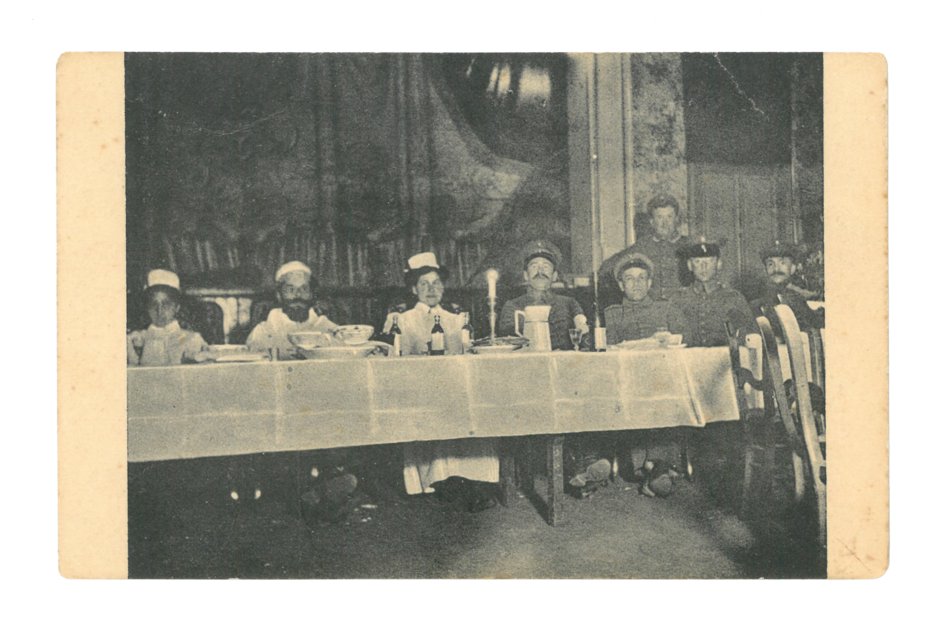
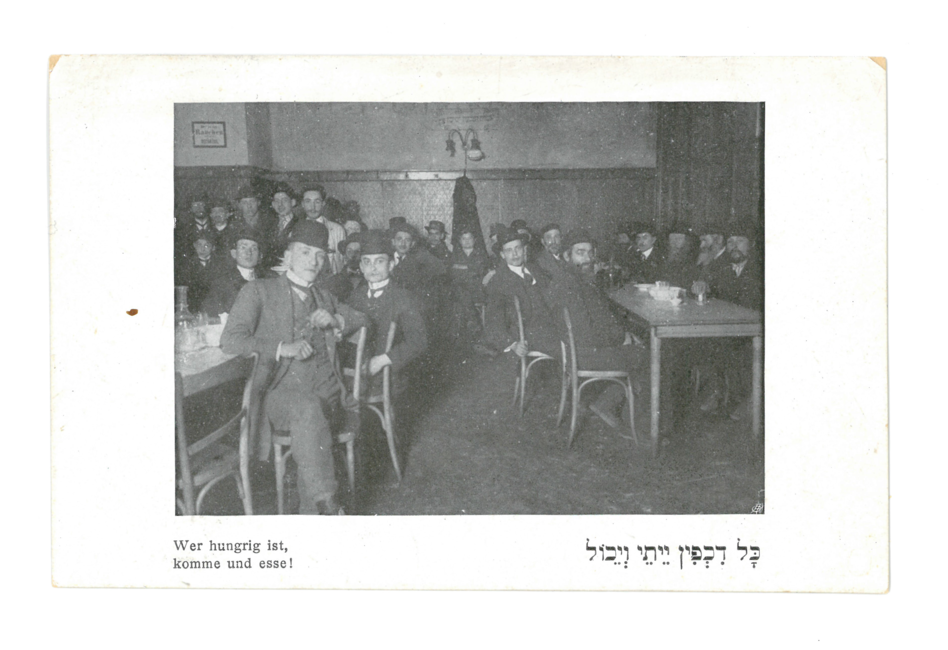
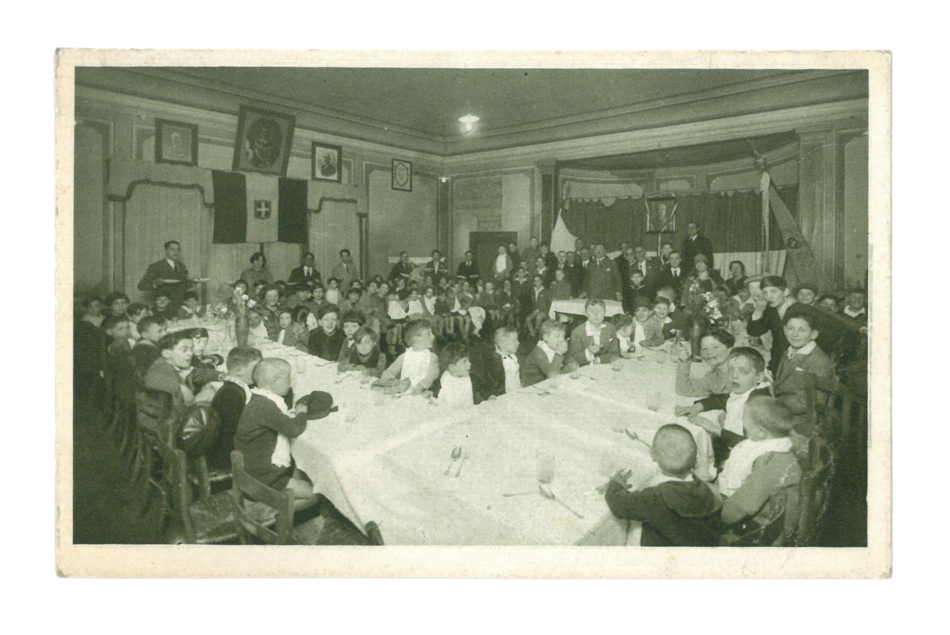
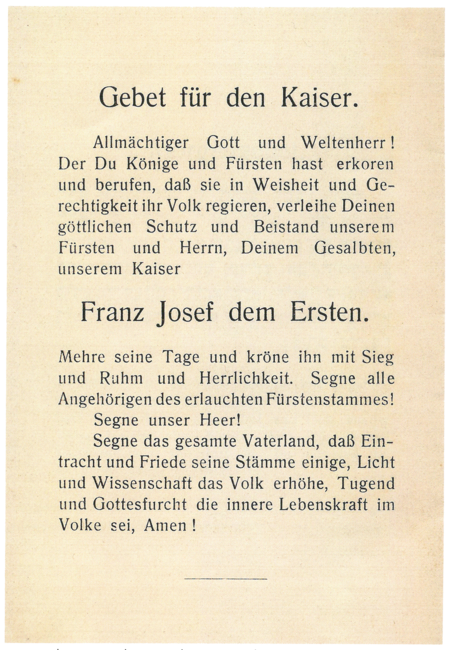
In World War 1, Jewish soldiers took part and fought in different armies from the two sides of the conflict. There were Jewish institutions and charity committees that looked after them and printed special editions of 'Haggadot' (Passover prayer books) so that they would be able to celebrate the Passover Festival at army bases and at the Front. This was true on the both British and German sides.