• A
  • A
  • A

'I Wonder Who Will Employ Me Now?' - The Rothband Employment Scheme for Disabled Ex-Servicemen

Almost two million men who had served in the First World War returned to Britain injured and permanently disabled. These vast numbers meant that the issues faced by the disabled were suddenly incredibly visible to the public, and the idea that they were a burden on society began to shift.

With no welfare state, it was the work of individuals campaigning for the rights of disabled ex-servicemen that led to a national scheme that would guarantee them employment on their return to civilian life.

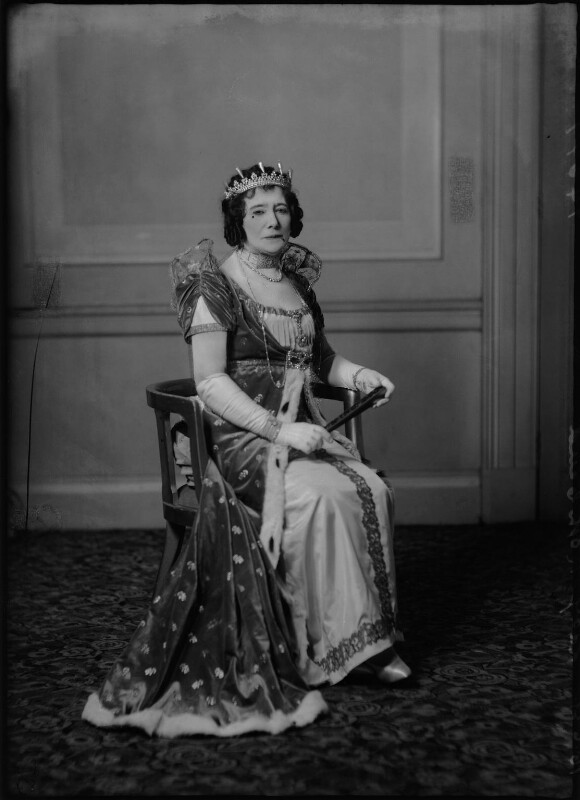
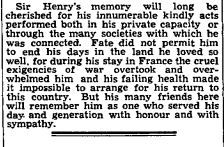
One of these individuals was Henry Lesser Rothband, who was born in Austria in 1853, and lived in Broughton in Salford when he moved to Britain. He was a prominent member of the Manchester Jewish Community as trustee of the Great Synagogue, and member of both the Manchester Reform Club and the Jewish Naturalisation Society.

Henry married Lady Ella Rothband, nee Mandleberg, and was director of her father’s waterproof manufacturing company in Manchester, J. Mandleberg and Co.

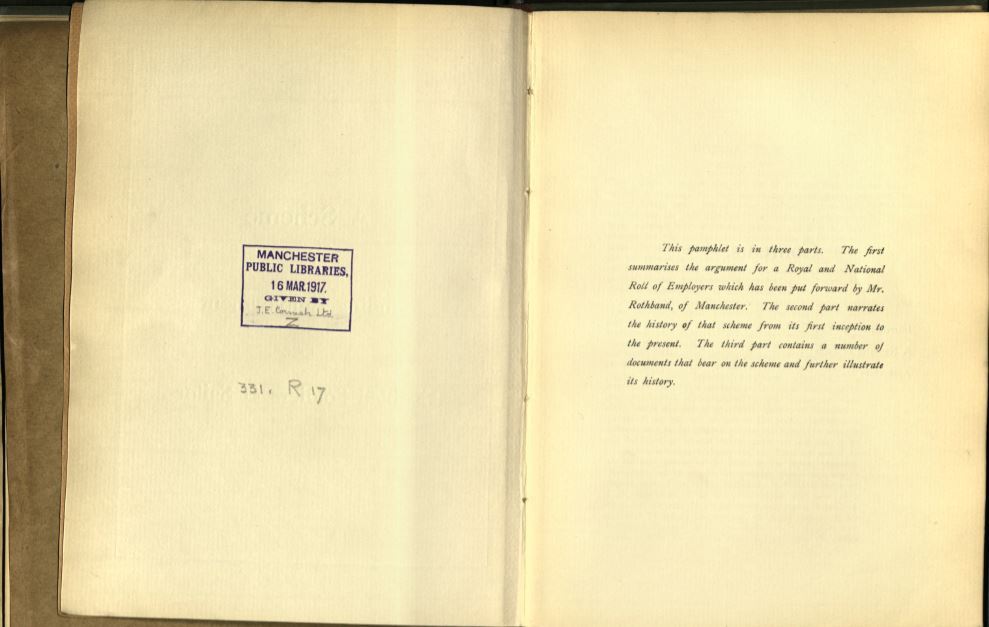
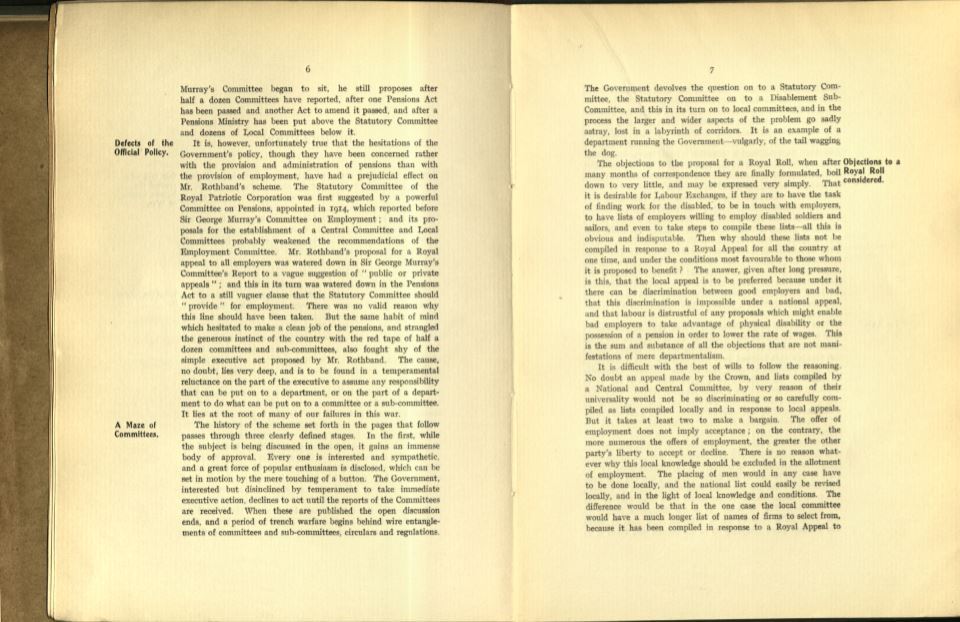
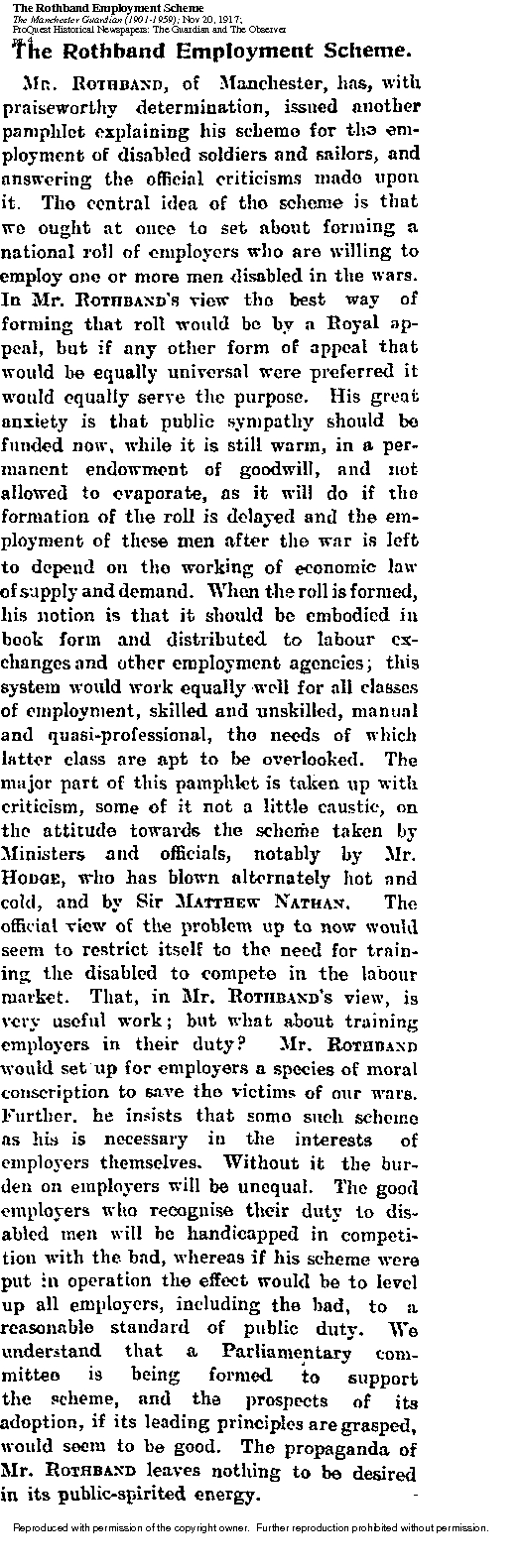
Henry began campaigning for an employment scheme for disabled ex-servicemen in 1915, issuing pamphlets detailing his proposals for a "royal roll of employers willing to employ one or more disabled men, that is to say, a permanent guarantee of employment embodied in book form and distributed to all employment agencies, and not a mere agency itself." Excerpts from these pamphlets frequently appeared in issues of the Manchester Guardian.

Mr Rothband wrote all of his ideas for the scheme into a book entitled "Employment of Disabled Sailors and Soldiers", published in 1917.

In clarifying the scheme’s principles in a pamphlet in 1918, he writes: “if the State had a right to take men from their civil employment into the service of their country, it has a corresponding duty to restore these men to civil employment when it has no longer need of them in the Army.”

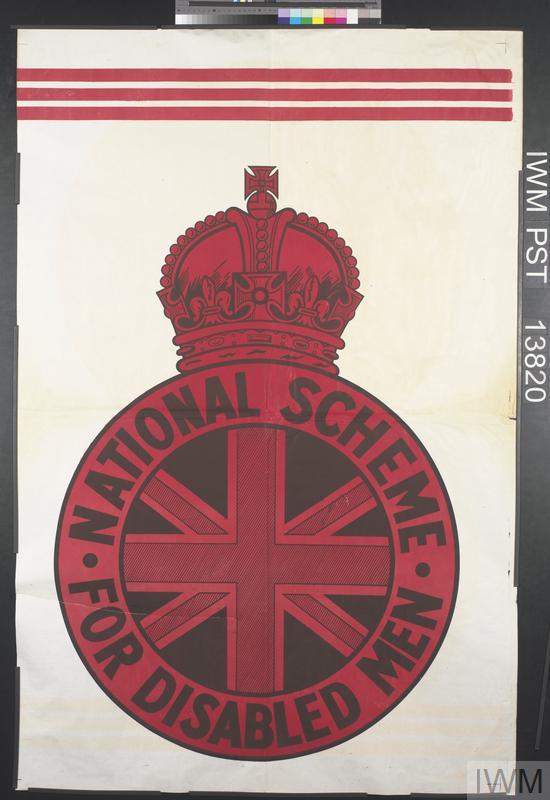
Finally, in 1919, Rothband’s ideas became a reality under the name the King’s National Roll Scheme, with King George V issuing a special proclamation appealing to employers to support it. The Scheme called for five percent of every business to be reserved for the employment of those who had been disabled in the First World War.

Employers who fulfilled this quota were permitted to use what became known as the ‘Seal of Honour’ on letter heads etc. This became a symbol of patriotism, so companies were proud to use it, making it an incentive for others to follow in joining the scheme. The scheme was also given more tract when the government announced that when giving out contracts, those enrolled in the scheme would be prioritised.

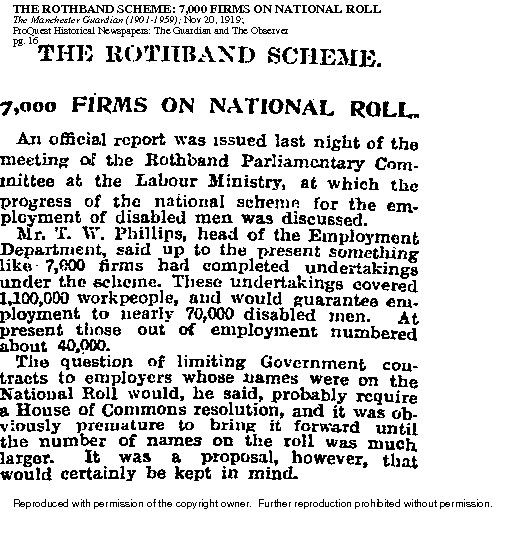
In November 1919, the Manchester Guardian reported that 7000 firms were on the National Roll, and that these undertakings covered 1,100,000 workpeople, and would guarantee employment to nearly 70,000 disabled men.

The King’s National Roll Scheme was maintained and remained active until 1944, when it was replaced by the Disabled Persons (Employment) Act, which said that preference would be given to disabled persons who had served in the armed forces. The scheme therefore not only fulfilled much-needed short term goals, but also paved the way for wider discussion on the needs of disabled veterans, and the State’s responsibility in providing for them.

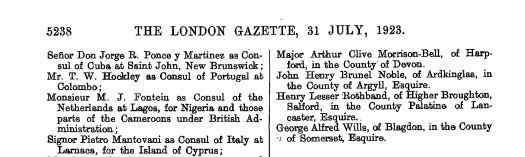
Henry was created a baronet of Higher Broughton, Salford in 1923, in recognition of his "public services", most notably his work on 'The Rothband Employment Scheme'.
View the Entire Collection

Give us your feedback

Please tell us what you think to help us develop and progress this vital resource

London Jews in the First World War - We Were There Too

Follow us on social media:

  • Twitter
  • Facebook
  • Instagram

© London Jewish Cultural Centre 2018

Website by Beachshore