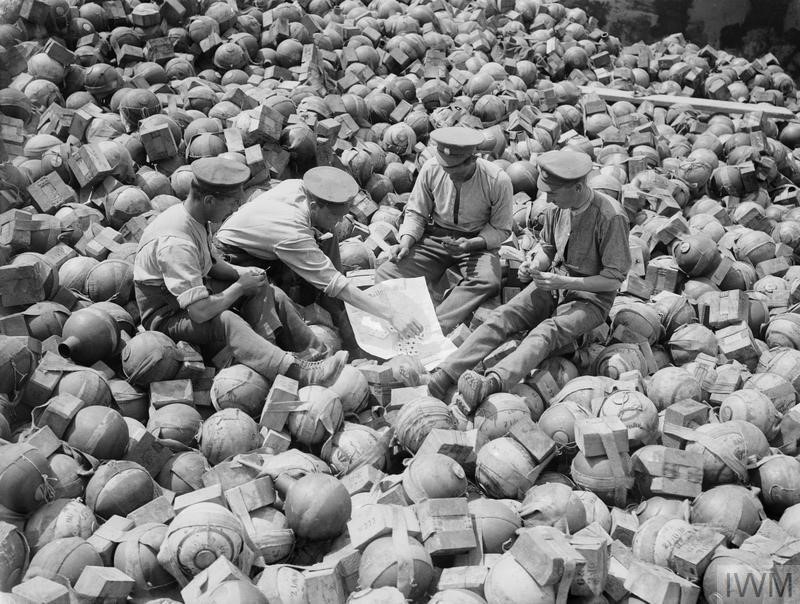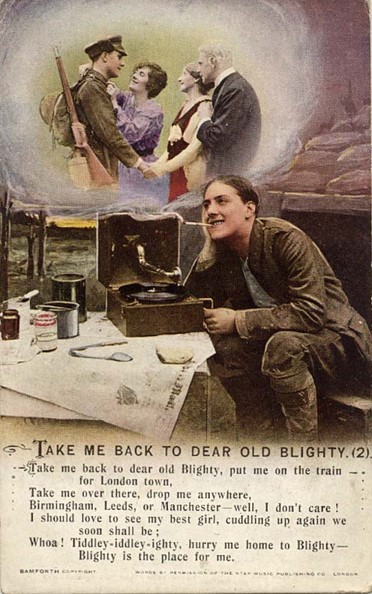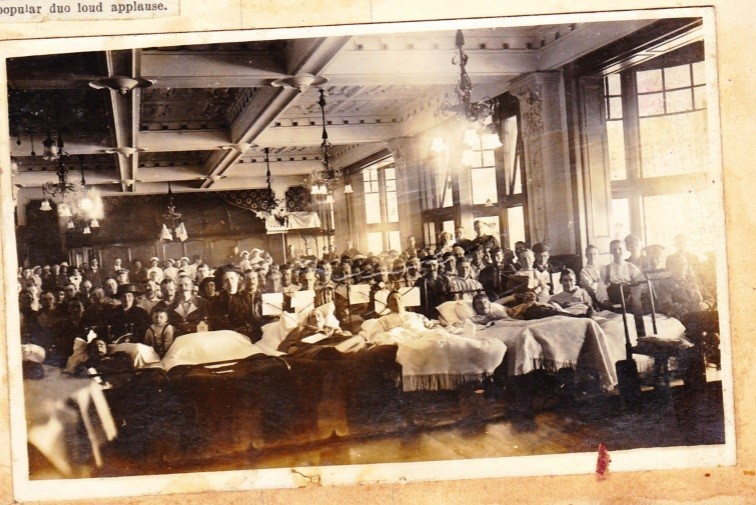


The men were two weeks on the front line and two weeks back behind the lines. One popular pastime for the men was, of course, gambling! Card games included, brag, pontoon and a game called nap[4]. The most popular of these games was one called Crown and Anchor. Other pastimes were boxing matches and ‘Housey Housey’, or what today we call Bingo.
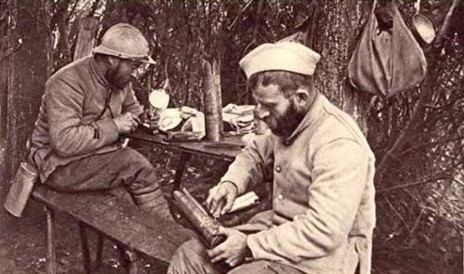
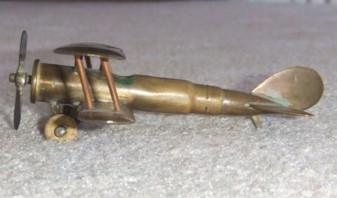
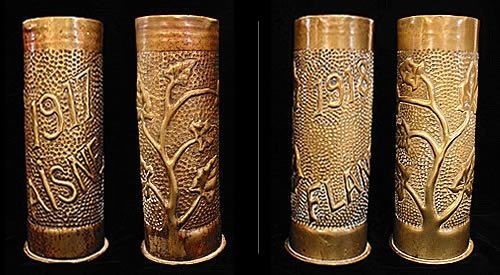
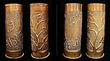
Trench Art also helped keep the men amused. This was anything which the servicemen made in their down time; from sketches and paintings to sculptures and models. These were made out of any materials they could get their hands on, including ammunition shell cases, bullet casings, shrapnel and pieces of destroyed buildings or downed planes. The materials would have been readily available to the soldiers, prisoners of war and to civilians in the area.[5]
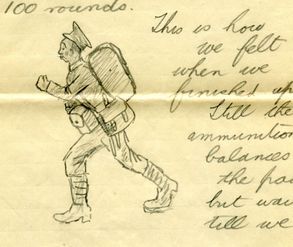
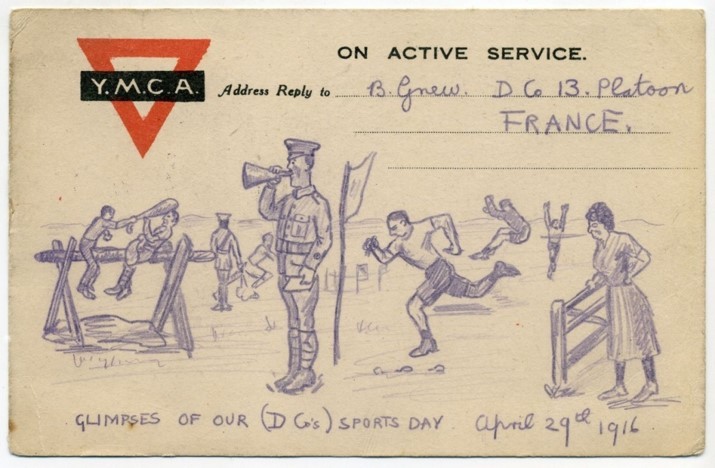
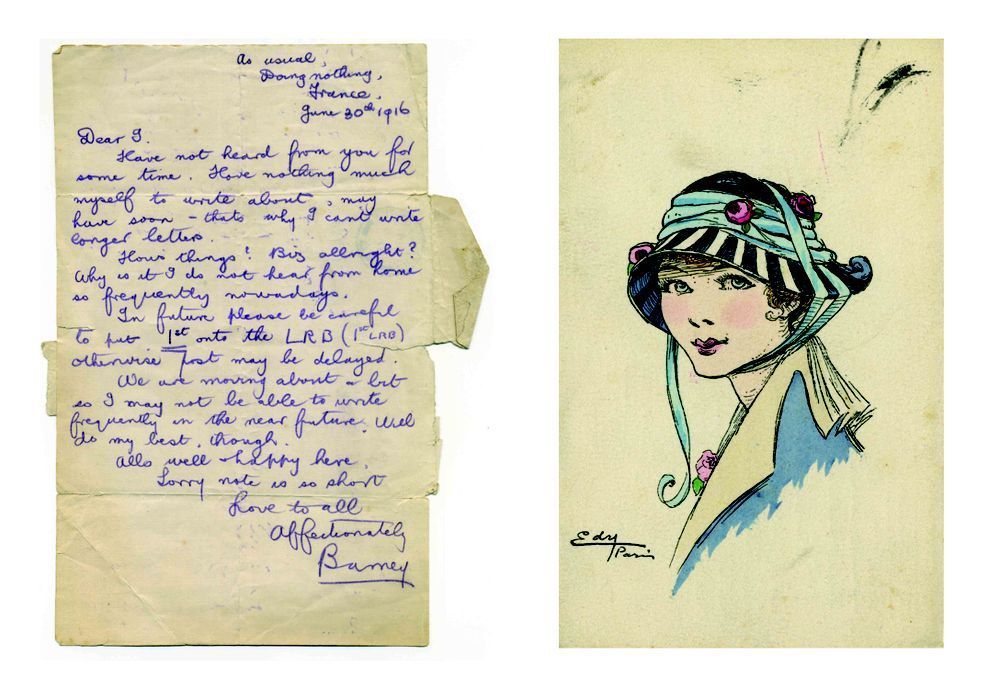
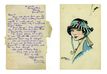
There were of course many soldiers who were talented artists as well as letter writers. One of these men was Barney Griew, who illustrated many of his letters and postcards he sent home. Sadly Barney's final letter was written on 30th June 1916, the day before he was killed on the first day of the Somme. What a talented artist he was.
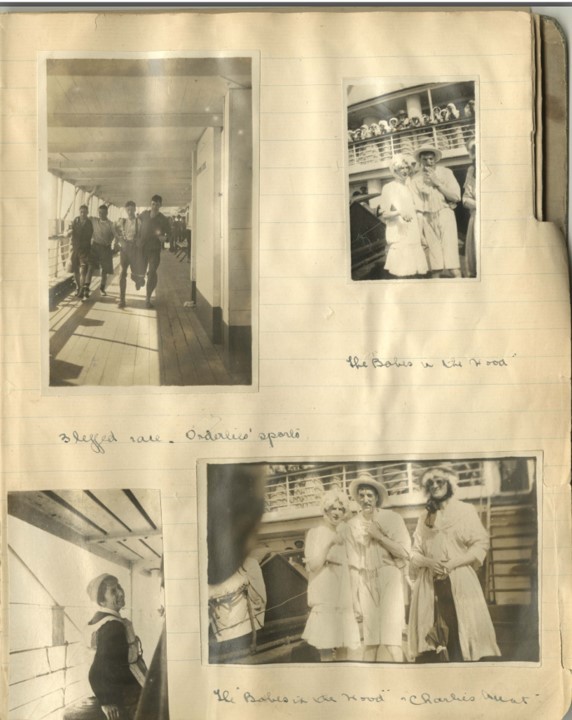
Then then were diaries. One prolific diarist was Florence Oppenheimer (later Greenberg). In 1915 she served on one of the Ambulance ships at Gallipoli and later was posted to Egypt. Throughout she kept her diary detailing both the enormity of what she saw and how the nurses and the men entertained themselves.
Film was a fairly new genre. One film titled 'Lt Pimple and the Stolen Submarine' made in 1914 follows the exploits of Lieutenant Rose and Lieutenant Daring on a stolen submarine, and includes an undersea fist-fight, a wooden battleship, and a novel alternative to sending a message in a bottle.
There were anti-German cartoons as well as a dramatised account of WWI nurse Edith Cavell's imprisonment and execution at the hands of the Germans was produced shortly after her death. Recruiting films, films of soldiers preparing rations, having showers, recruitment films, even a film of blinded soldiers playing ‘pushing the ball’. All, of course silent.