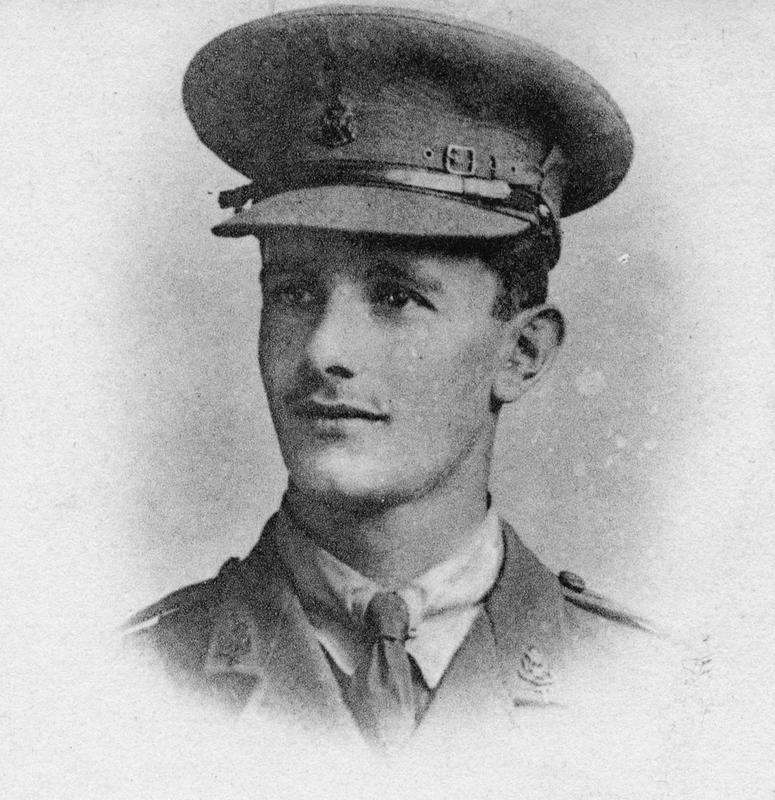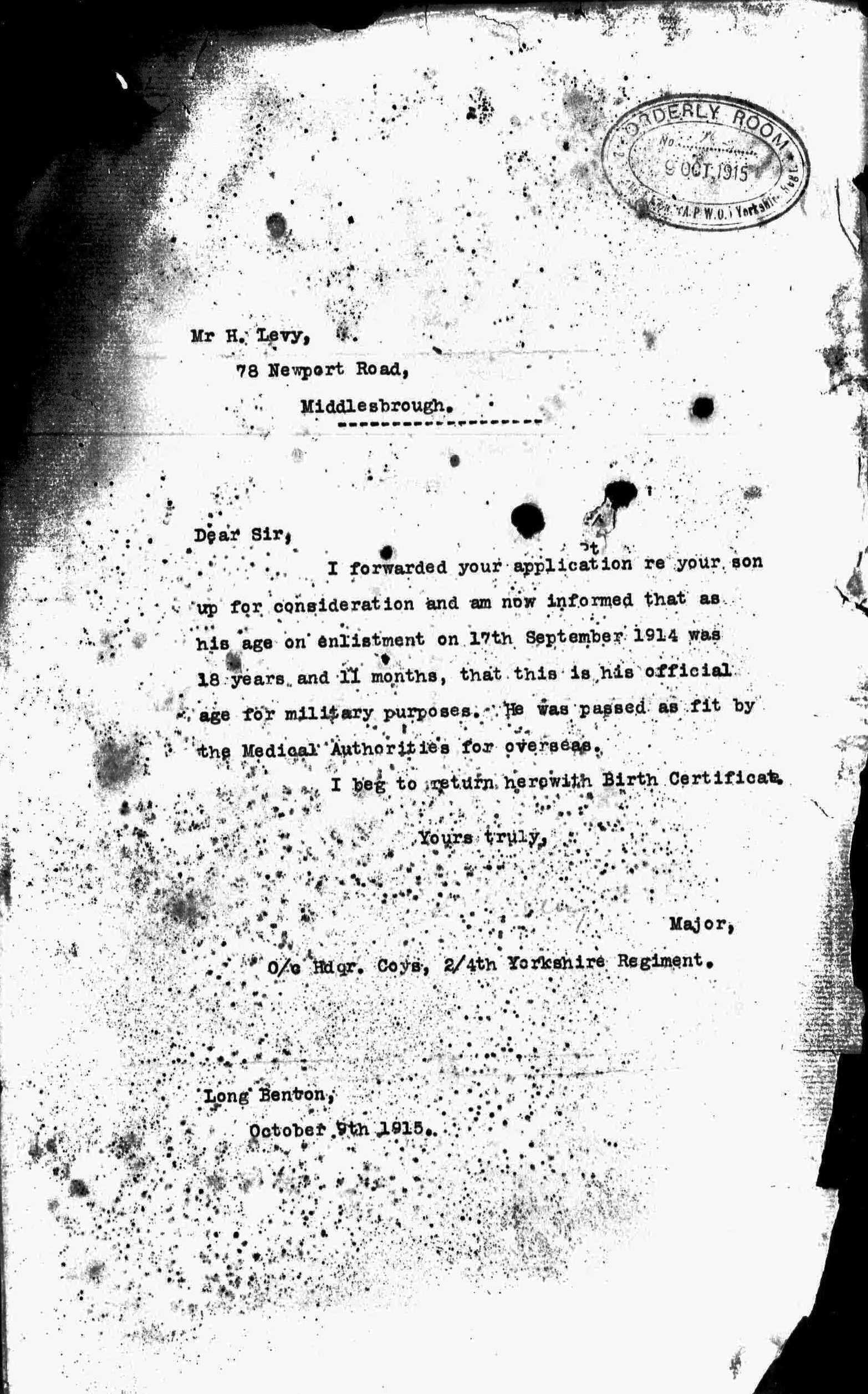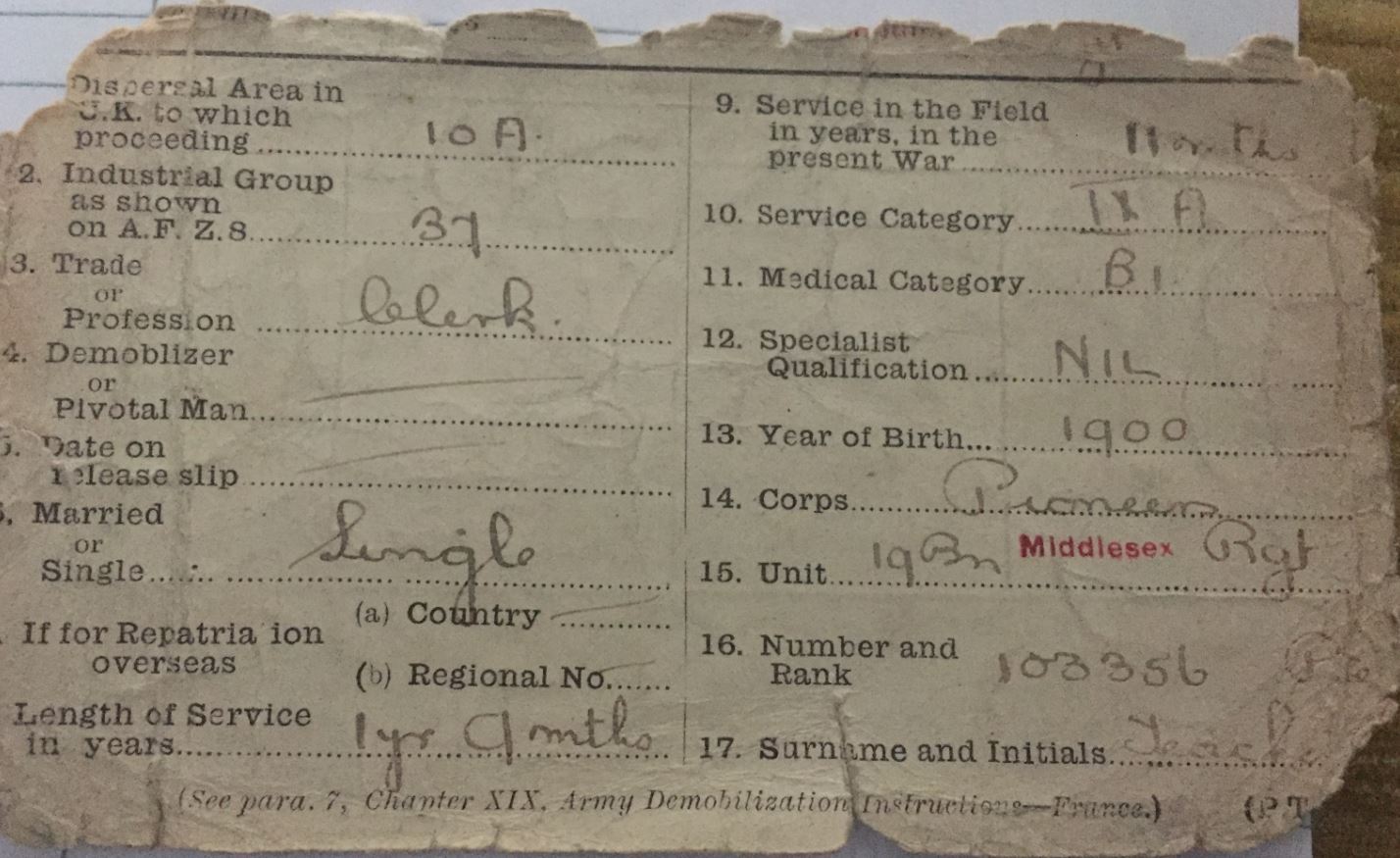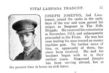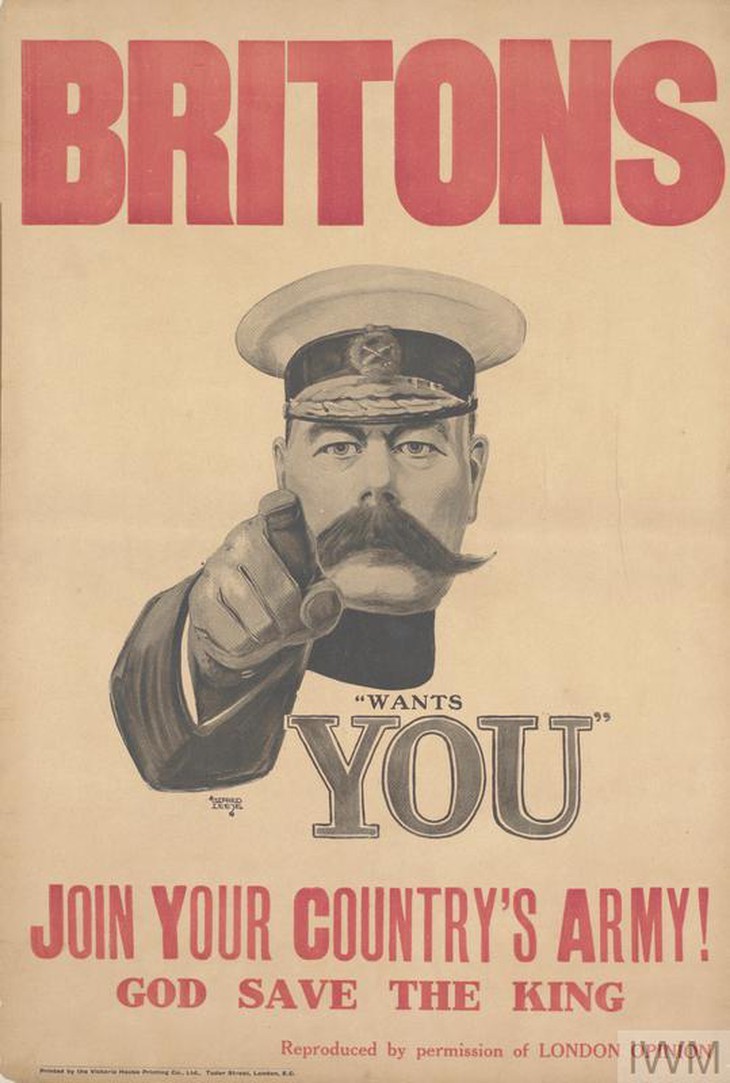

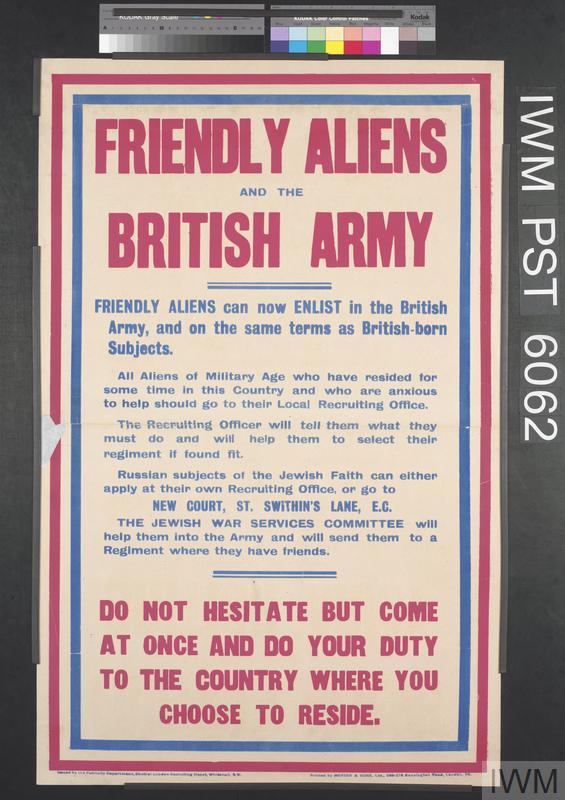


How then was possible for these children to enlist? Unscrupulous Recruiting Sergeants, paid by the number of recruits were only too happy to sign up likely looking youngsters. It was not necessary to produce evidence of age or even of one’s name in order to enlist,[5] it was easy to lie, and they did; they lied about their names like Joseph Bernstein who enlisted under the name of Benson (enlisted aged 16); where they lived, like Joseph Josephs (enlisted 1914 aged 17) and of course how old they were. Desperate parents like those of Isaac Levy who won the Military Medal, (enlisted 1914 aged 15) tried to get their sons home, often without success, or even if they did, the boys would just go off and re-enlist.
In 1914 the school leaving age was 14, although children who were able to continue study and whose parents could afford it, could continue at school. Classes then were organised more in terms of ability than in terms of age, so that younger, bright students were taught and formed friendships with those a year or two older. Public Schools, like Harrow and Haberdashers, had their Officer Training Corps (OTS), by the late 19th Century. Schools up and down the country had copied the idea and trained their young students by having Cadet Corps. Those schools which were both fee paying and had foundation scholarships, like Parmiter’s in Bethnal Green, also set up Cadet Corps. The Jewish community, emulating the good practice of British Society set up the Jewish Lads Brigade, (JLB which is now the Jewish Lads and Girls Brigade, was established in 1895[6]). The boys who were attending these Cadet Corps enthusiastically signed up, regardless of age.
Our site contains the records of many of these boys who were foolhardy enough to enlist, many of whom sadly gave their lives to the cause.
Research by WWTT volunteer Lola Fraser
[1] https://www.bbc.co.uk/news/magazine-29934965
[2] https://spartacus-educational.com/FWWrecruit
[3] https://www.longlongtrail.co.uk/soldiers/a-soldiers-life-1914-1918/enlisting-into-the-army/
[5] https://www.longlongtrail.co.uk/soldiers/a-soldiers-life-1914-1918/enlisting-into-the-army/
[6] A Good Jew and a Good Englishman, P1, Salman Kadish 1995, Vallentine Mitchell & Co Ltd.
Below are just some of the underage soldiers we have on the WWTT site, click their profiles to read more about their stories.