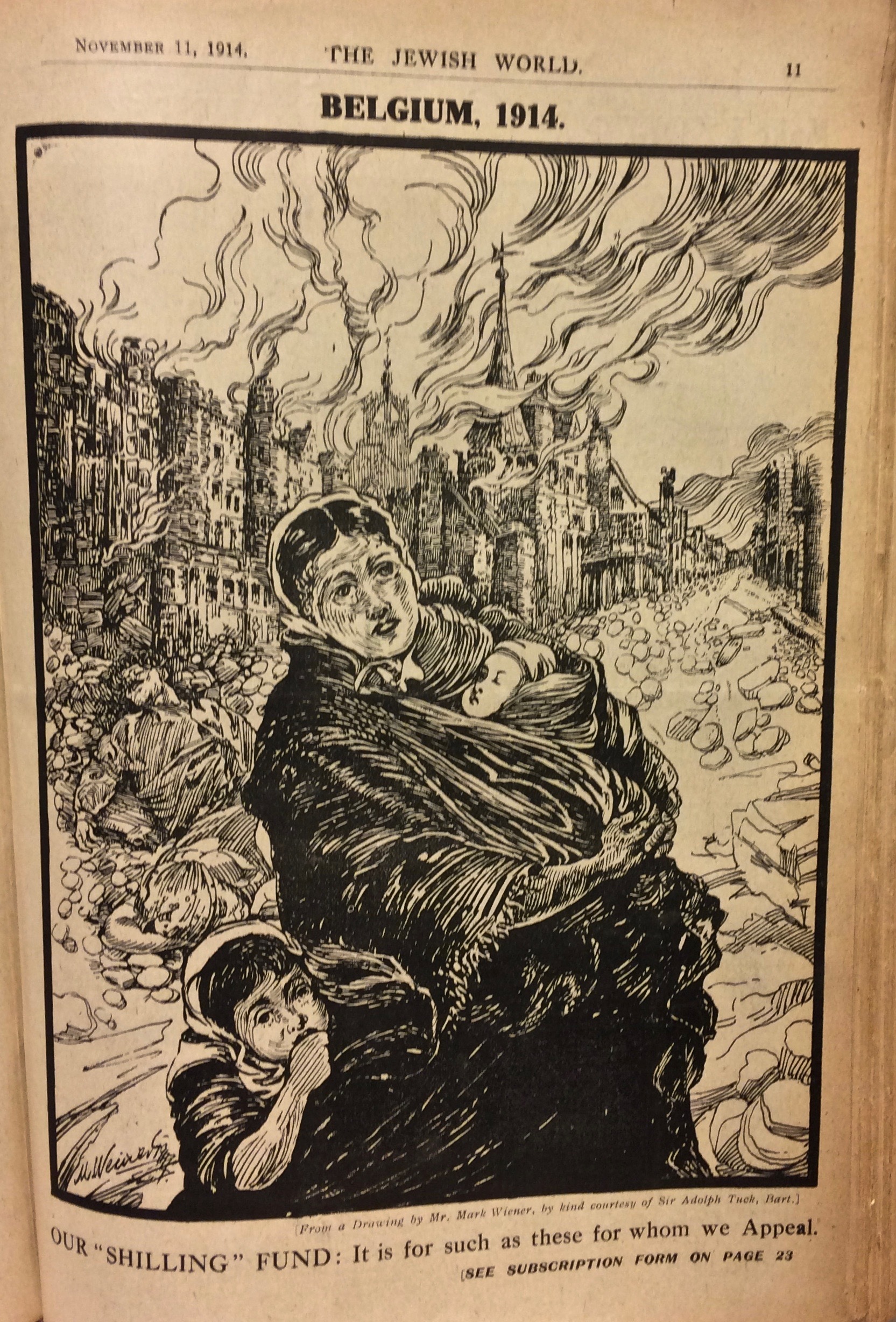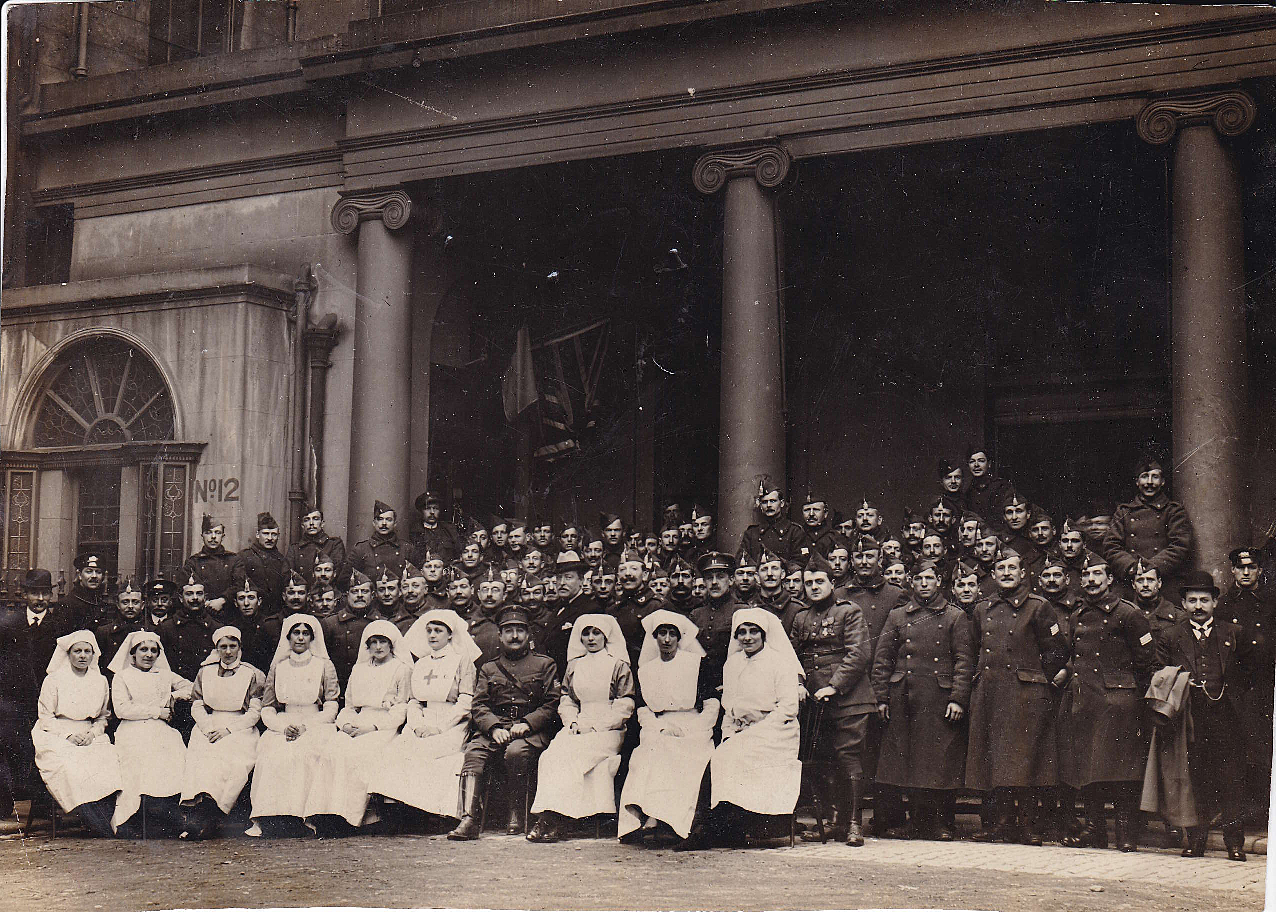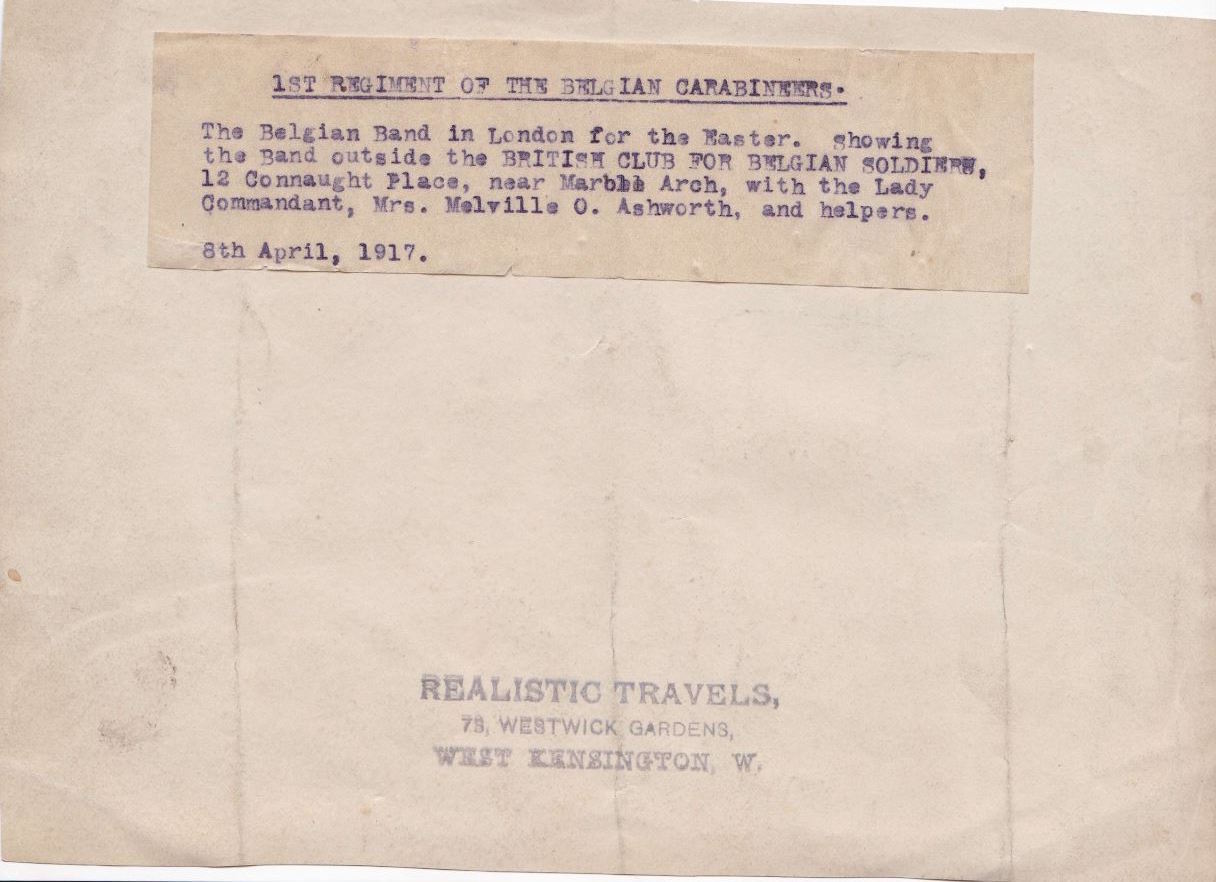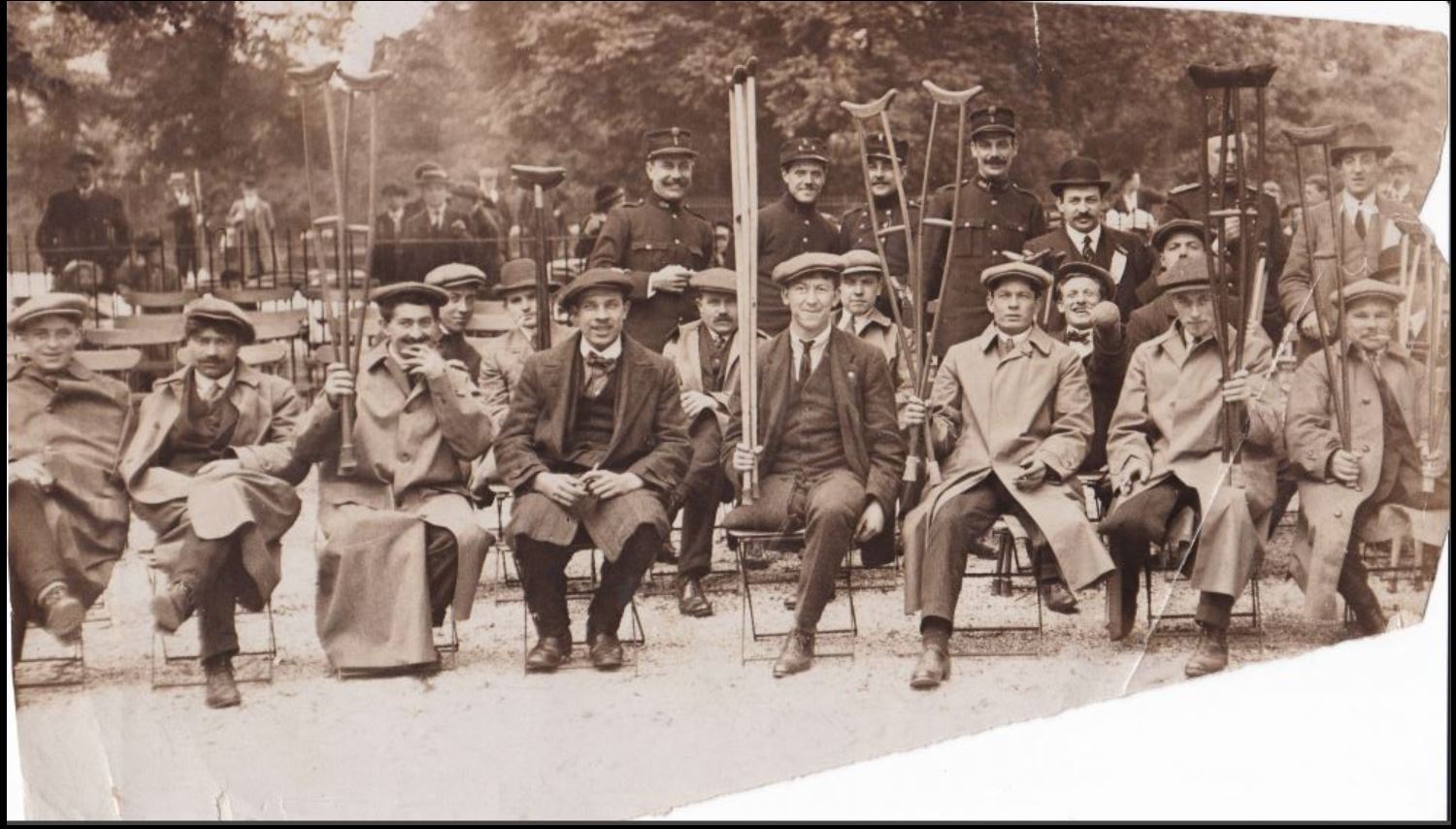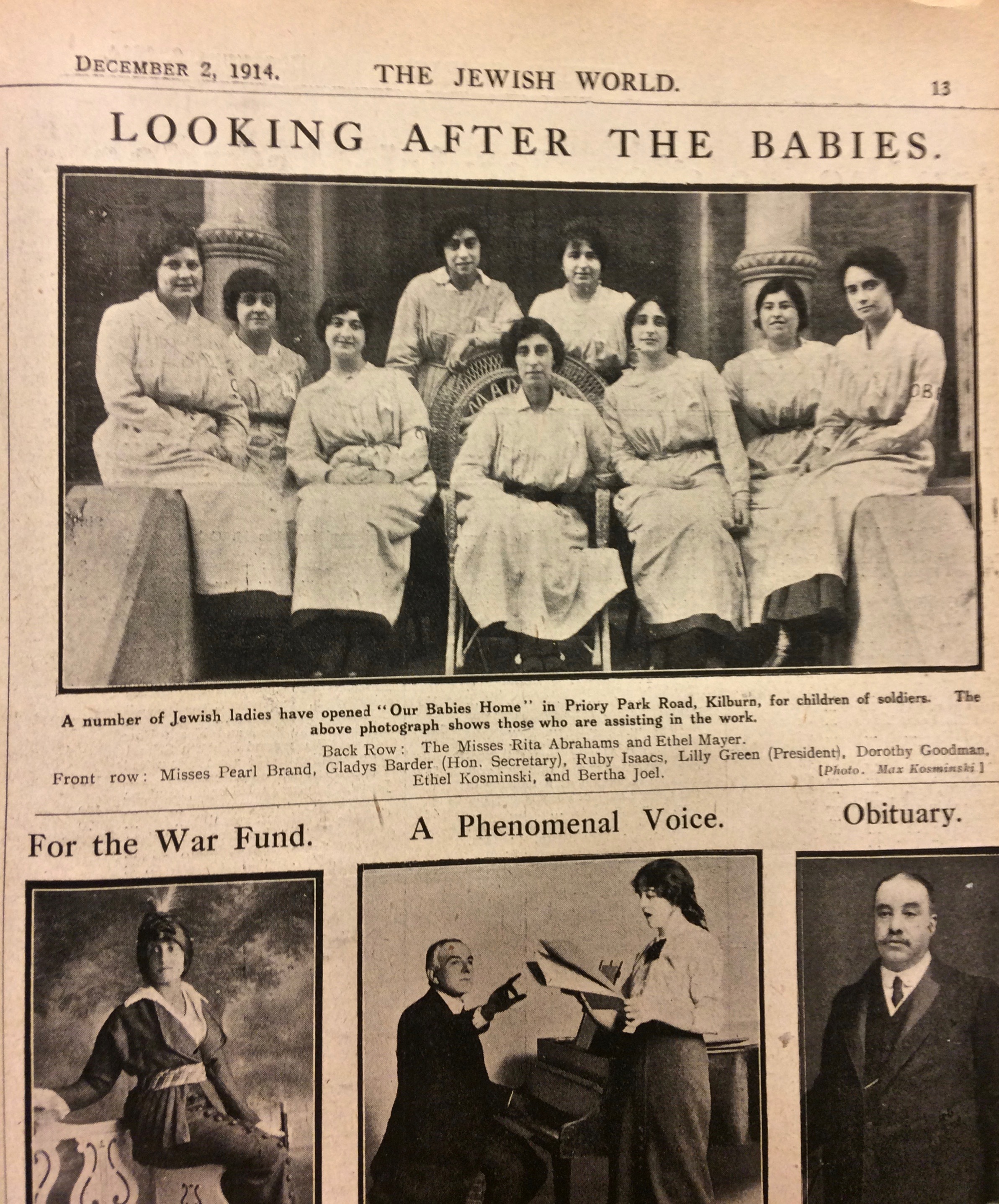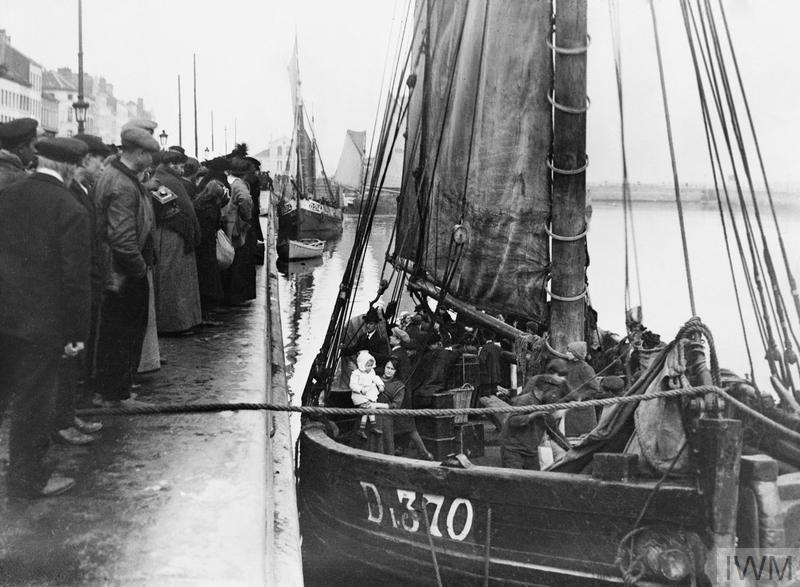
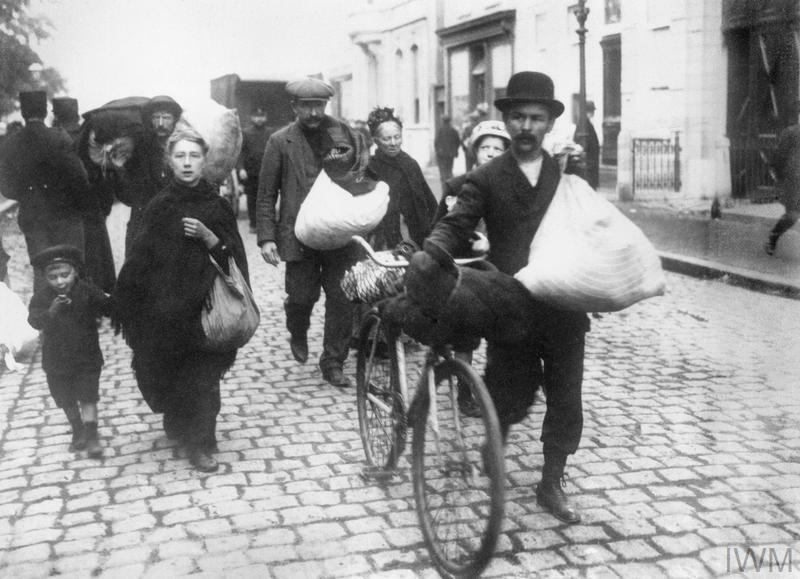


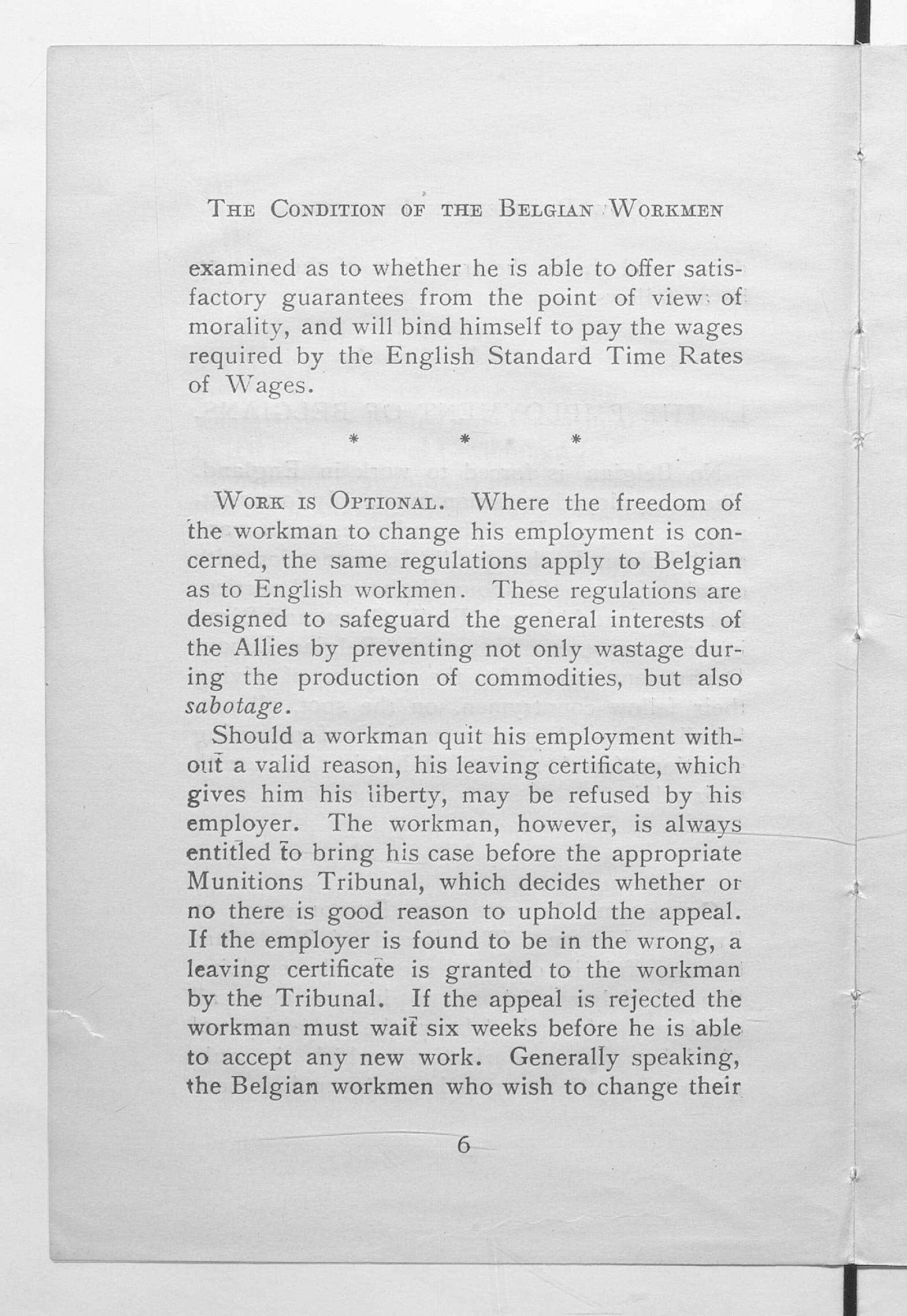


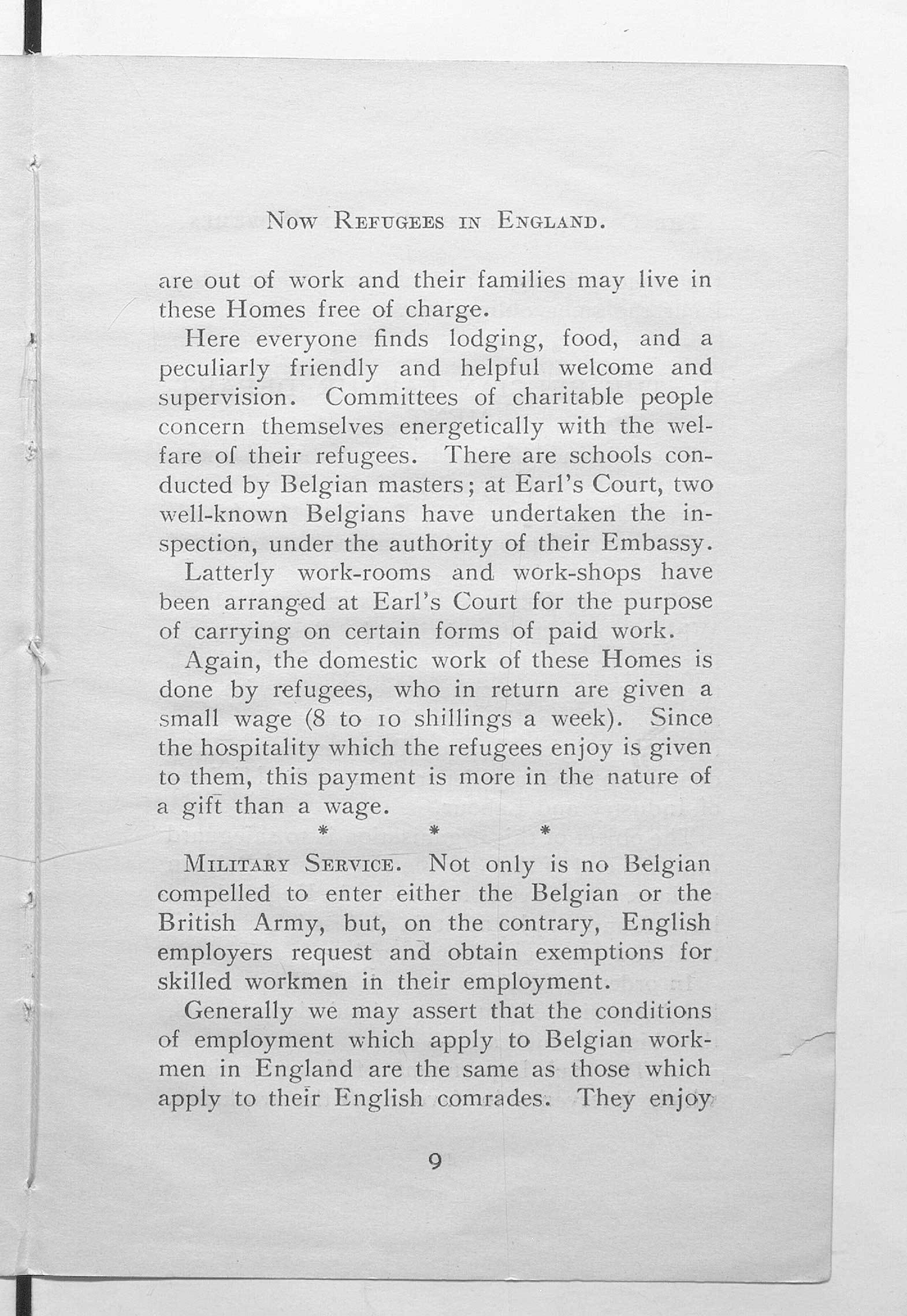





The exact number of Jewish Belgian refugees is unknown but synagogue and Jewish newspaper records indicate that they were among the new arrivals. In some cases, Jewish Belgian refugees were not Belgian at all. They were Eastern European Jews who had been resident in Belgium when Germany invaded and feared being picked up as foreigners from countries now at war with Germany.
After 1918, the majority of the refugees returned home, encouraged to do so by both the British and Belgian Governments. It is estimated that around 10,000 remained, having settled in the UK and married local people. Within a short period, this group had entirely disappeared from view as they assimilated into their new surroundings.
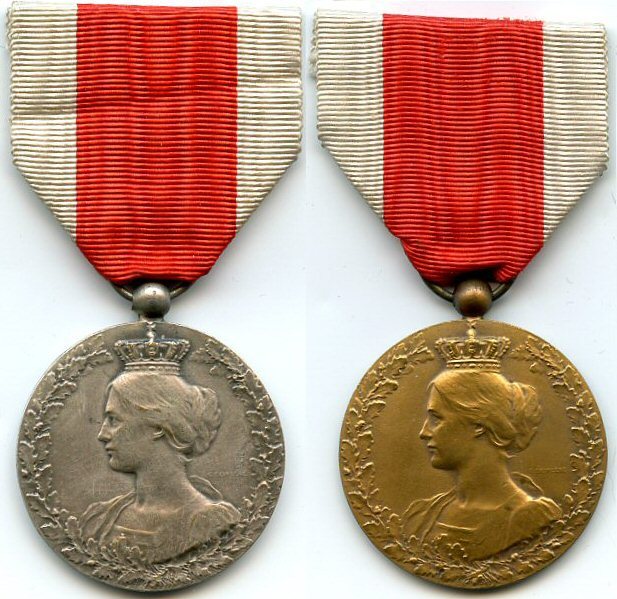
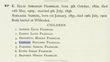
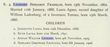
After the war, people in the UK who had helped the refugees were recognised with The Medal of the National Committee for Assistance and Food Supply - Medaille du Comite National de Secours et d'Alimentation. (1914-1918). It was created in four classes; 1st class, gilt finish with a rosette on the ribbon; 2nd class, gilt finish (no rosette); 3rd class, silver finish; 4th class, bronze. A list of recipients was published in The Belgian Monitor (the Belgian equivalent of the London Gazette).
The medal was known to some as the Haricot Bean Medal because the vegetable was used as a regular food staple for the refugees.